
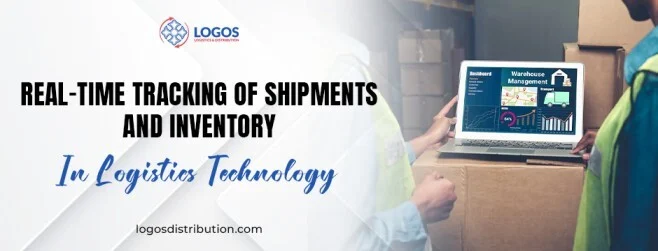
In the fast-paced and increasingly digital world of global commerce, logistics has transformed from a background function to a key business differentiator. Whether it’s e-commerce companies fulfilling same-day deliveries or manufacturers optimizing supply chains, the demand for fast, reliable, and transparent logistics has never been greater. At the center of this transformation lies one groundbreaking advancement— Real-Time Tracking of Shipments and Inventory in Logistics Technology.
Traditional methods of shipment tracking, which relied on batch updates and manual logs, often led to blind spots, delivery delays, inventory mismatches, and customer dissatisfaction. With the advent of advanced logistics technologies, including GPS, IoT sensors, and cloud-based platforms, businesses now have access to up-to-the-minute data across their supply chain. This visibility enables better control, transparency, and proactive decision-making.
Enhanced Visibility Across the Supply Chain
Real-time tracking brings visibility to every phase of the logistics journey. Stakeholders can monitor shipment movement from origin to final delivery, tracking milestones in real time through dashboards and mobile tools.
This transparency improves coordination between procurement, warehousing, dispatch, and delivery teams while building trust with clients. Knowing where a shipment is and when it will arrive reduces guesswork and allows issues to be addressed before they escalate.
Improved Inventory Management and Warehouse Efficiency
Inventory inaccuracies remain one of the most common logistics challenges. Manual counts and delayed ERP updates often result in discrepancies, overstocks, or stockouts that impact profitability and customer satisfaction.
With real-time inventory integration through OnLogistics API integration, businesses gain insight into stock levels, movement patterns, and replenishment needs. When connected to warehouse management systems, real-time tracking enables:
- Automatic stock updates as goods move
- Alerts for low inventory or unusual usage patterns
- Improved space utilization and inventory turnover
These capabilities support just-in-time inventory practices, helping reduce holding costs and avoid unnecessary procurement.

Faster and Smarter Decision-Making
Access to real-time data allows logistics teams to act quickly and accurately. If a shipment is delayed due to weather, customs, or traffic, tracking systems make it possible to reroute deliveries or notify customers immediately.
Analytics layered onto tracking platforms also highlight recurring inefficiencies such as regional delays or warehouse bottlenecks. This agility helps reduce costs, improve service levels, and maintain competitiveness in time-sensitive markets.
Better Customer Experience and Trust
Modern customers expect transparency and reliability. Real-time tracking enables accurate ETAs, proactive notifications, and delivery confirmation, all of which contribute to a stronger customer experience.
Providing shipment visibility reduces customer support inquiries and builds trust for both B2B and B2C customers, reinforcing long-term loyalty.
Proactive Issue Resolution and Reduced Downtime
Real-Time Tracking of Shipments and Inventory in Logistics Technology allows issues to be detected and resolved before they cause major disruptions. If a vehicle breaks down or a delay occurs, teams can respond immediately and adjust plans.
For sensitive or perishable goods, IoT-enabled tracking monitors environmental conditions such as temperature and humidity. Alerts enable corrective action before damage or spoilage occurs, supporting compliance and protecting product integrity.
Streamlined Collaboration Across Stakeholders
Logistics involves coordination among manufacturers, suppliers, warehouses, carriers, and retailers. Real-time tracking platforms act as a shared source of truth, keeping all stakeholders aligned.
APIs and dashboards allow data to be shared seamlessly, reducing miscommunication and improving operational flow across the supply chain.
Reduced Operational Costs
While real-time tracking requires an upfront investment, the long-term return is substantial. Insights replace the inefficiencies of a
manual tracking system by supporting route optimization, reducing idle time, lowering warehouse costs, and minimizing labor-intensive processes.
Fewer errors and delays also mean reduced penalties, refunds, and reputational risk, leading to leaner operations and stronger margins.
Competitive Advantage Through Innovation
Real-time tracking has become a strategic asset rather than a luxury. Companies that adopt these technologies demonstrate reliability, transparency, and a commitment to customer satisfaction.
From e-commerce startups to global freight operators, organizations that embrace real-time logistics technology gain a competitive edge that influences buying decisions across markets.
Wrapping Up
The future of logistics depends on visibility, agility, and data-driven control. Real-Time Tracking of Shipments and Inventory in Logistics Technology enables businesses to streamline operations, enhance service quality, and respond confidently to disruption.
For organizations looking to modernize their supply chain, Logos Logistics Distribution delivers scalable, technology-driven logistics and freight services built for transparency, efficiency, and growth.