
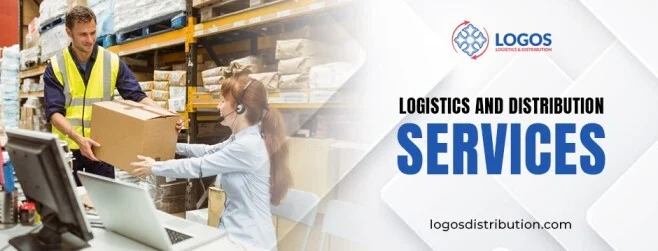
In today’s global economy, businesses of all sizes rely on logistics and distribution services to keep their supply chains running smoothly. Whether it’s delivering raw materials to manufacturers, distributing finished products to retailers, or fulfilling e-commerce orders directly to customers, logistics is the backbone of modern commerce. In the United States, where the market is vast and highly competitive, secure, fast, and cost-effective logistics solutions are not just an advantage—they are essential for survival.
With rising consumer expectations for quick delivery, increasing fuel costs, and the complexity of global trade regulations, companies need logistics partners that can provide both reliability and efficiency. From warehousing and inventory management to last-mile delivery and cross-border shipping, the logistics and distribution sector in the USA has evolved to meet the needs of businesses in virtually every industry. This guide explores the key components of logistics and distribution in the U.S., the benefits they offer, challenges companies face, and strategies to build supply chains that are both secure and cost-effective.
Understanding Logistics and Distribution
Distribution focuses on delivering products from manufacturers or warehouses to retailers, wholesalers, or end customers. Together with logistics, it forms the foundation of any supply chain.
In the USA, logistics and distribution services include:
- Transportation Management – Choosing the best carriers and routes for goods.
- Warehousing & Inventory Control – Ensuring products are stored securely and efficiently.
- Order Fulfillment – Picking, packing, and shipping goods to customers.
- Last-Mile Delivery – The final step of getting products into the hands of consumers.
- Reverse Logistics – Cost-effectively handling returns and exchanges.
Importance of Logistics in the U.S. Economy
The United States has one of the largest and most complex logistics networks in the world. Logistics spending accounts for a significant portion of U.S. GDP, and every major sector—from food and healthcare to retail and technology—depends on reliable supply chains.
Key reasons logistics is crucial in the U.S. include:
- Consumer Expectations – Customers expect fast delivery and transparency.
- Global Trade – High volumes of imports and exports require efficient cross-border logistics.
- National Infrastructure – Roads, rail, air cargo hubs, and seaports drive interstate commerce.
- Business Growth – Scalable logistics solutions enable national and global expansion.
Core Elements of a Secure Supply Chain
Security in logistics goes beyond protecting physical goods. It includes safeguarding data, ensuring compliance, and maintaining operational resilience.
- Data Security – Protecting shipment tracking systems and customer information.
- Regulatory Compliance – Meeting customs, safety, and labor requirements.
- Risk Management – Planning for disruptions such as natural disasters or labor shortages.
- Product Safety – Preventing theft, damage, and counterfeit goods.
Companies that invest in secure logistics reduce risk and build stronger trust with customers and partners.
Strategies for Fast Distribution
Speed is a major differentiator in today’s logistics landscape. To ensure fast delivery, U.S. businesses use strategies such as:
- Decentralized Warehousing – Locating warehouses near major consumer hubs.
- Technology Integration – Real-time tracking and route optimization.
- Partnerships with 3PLs – Expanding nationwide reach.
- Flexible Last-Mile Solutions – Adapting delivery methods to demand.
Balancing Cost-Effectiveness with Quality
Balancing cost and service quality is a constant challenge in logistics. Businesses achieve this by optimizing routes, leveraging bulk shipping, automating warehousing operations, and outsourcing non-core logistics functions.
Cost-effective logistics focuses on maximizing value without sacrificing reliability or speed.
Challenges in U.S. Logistics and Distribution
Despite advanced infrastructure, logistics operations in the USA face ongoing challenges:
- Rising Fuel Prices – Increasing transportation costs.
- Driver Shortages – Impacting delivery schedules.
- Supply Chain Disruptions – Caused by natural disasters or global events.
- Evolving Consumer Demands – Higher expectations for speed and sustainability.
Future Trends in U.S. Logistics and Distribution
Key trends shaping the future of logistics include:
- Green Logistics – Sustainable transportation and warehousing.
- AI & Machine Learning – Smarter forecasting and routing.
- Blockchain Technology – Greater transparency in supply chains.
- Robotics & Automation – Faster and more accurate fulfillment.
- Omnichannel Distribution – Integrated online and offline fulfillment.
Bottom Line
Logistics and distribution services in the USA are the backbone of secure, fast, and cost-effective supply chains. Companies that invest in efficient logistics strengthen competitiveness, reduce costs, and build long-term customer trust.
For businesses seeking expert logistics support, Logos Logistics Distribution offers comprehensive logistics and distribution solutions designed to improve efficiency, enhance security, and reduce costs across nationwide supply chains.