
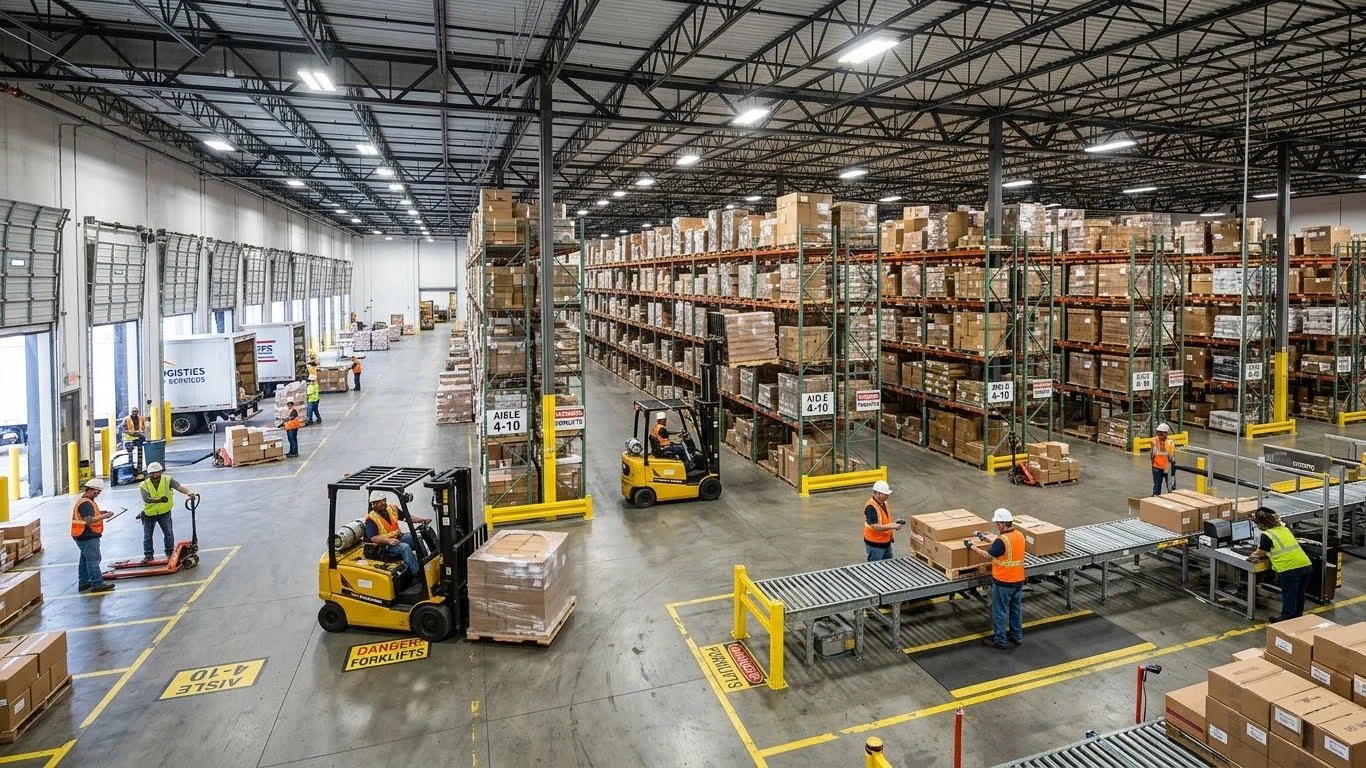
Inbound and outbound logistics are important parts of the supply chain. They help businesses move products from suppliers to warehouses and then to customers. When these processes are not managed properly, companies can face delays, higher costs, and unhappy customers. Inbound logistics focuses on bringing goods and materials into a business, while outbound logistics focuses on storing, packing, and delivering products to customers.
Both processes need good planning, clear communication, and proper tracking to run smoothly. Whether you are managing inbound shipments from suppliers or outbound deliveries to customers across California, understanding the real challenges in both directions is the first step to fixing them.
What Is Inbound Logistics?
Inbound logistics covers everything that happens before a product reaches your facility. It is the process of getting raw materials, components, or finished goods from your suppliers into your warehouse or production floor.
The main activities in inbound logistics include sourcing and purchasing from suppliers, arranging transportation for incoming shipments, receiving and unloading goods at the warehouse, inspecting for quality and accuracy, and storing inventory in the right locations for easy access.
What Is Outbound Logistics?
Outbound logistics is the other side of the equation. It covers everything that happens after a product is ready to leave your facility. Outbound logistics include picking and packing finished orders, managing inventory levels in distribution centers, arranging and scheduling outbound shipments, coordinating with carriers and processing returns when orders come back.
A product can be perfectly made and well-priced, but if it arrives late, damaged, or incorrect, the customer experience suffers. In a world where buyers expect fast and accurate delivery, outbound logistics is no longer just an operational function.
Difference Between Inbound and Outbound Logistics
The simplest way to tell them apart is direction. Inbound logistics moves goods into your business. Outbound logistics moves goods out to your customers.
In terms of focus, inbound is all about supplier relationships and procurement, while outbound is focused on customer delivery and satisfaction. Inventory management looks different too. Inbound logistics is about making sure you have enough stock to meet demand. Outbound logistics is about making sure the right stock gets to the right customer at the right time.
Transportation differences are also significant. Inbound transportation typically involves bulk shipments from suppliers, often by freight or container. Outbound transportation tends to involve smaller, individual shipments moving at higher speed, especially in e-commerce, where same-day or next-day delivery expectations are now common.
Common Challenges in Inbound Logistics
Inbound logistics can be difficult when materials and products do not arrive on time or in the right condition. Many businesses face problems that affect inventory, production, and daily operations.
Supplier Delays and Reliability Issues
One of the biggest headaches in inbound logistics is not knowing whether your supplier will deliver on time. Late shipments from suppliers can halt production, cause inventory shortages, and push your delivery timelines back with customers. Many businesses rely on a small number of suppliers without a backup plan, which makes them vulnerable whenever one of those suppliers runs into trouble.
Poor Inventory Visibility
If you do not know what you have, where it is, or when it is arriving, you cannot manage it well. Poor inventory visibility is a chronic problem in inbound logistics. Without real-time data on incoming shipments and current stock levels, businesses either overorder and tie up cash in excess inventory or underorder and run into stockouts that delay production and fulfillment.
Transportation Disruptions and Rising Costs
Transportation costs are one of the largest line items in any logistics budget. Fuel price swings, carrier capacity shortages, and freight rate increases all make it harder to control what you spend on moving goods in. Businesses that lock into a single carrier without exploring alternatives leave themselves exposed. Diversifying carrier relationships and using transportation management systems to compare rates.
Warehouse Congestion and Receiving Delays
When a large shipment arrives and the dock is unprepared, goods pile up. Receiving bottlenecks slows down the entire warehouse. Poorly organized warehouse layouts make this worse by forcing workers to travel longer distances to store or retrieve items.
Scheduling incoming deliveries in advance, having a dedicated receiving process, and keeping the warehouse floor organized by product category and demand frequency all reduce congestion significantly.
Manual Data Entry Errors
In many warehouses, data is still entered by hand. Purchase orders are typed in. Receipts are recorded manually. Quantities are counted and logged on paper. Every step where a human touches data is a step where an error can happen.
A single typo in a quantity field can throw off inventory counts for weeks. Automating data capture through barcodes, RFID scanning, or integrated supplier portals removes most of this risk.
Common Challenges in Outbound Logistics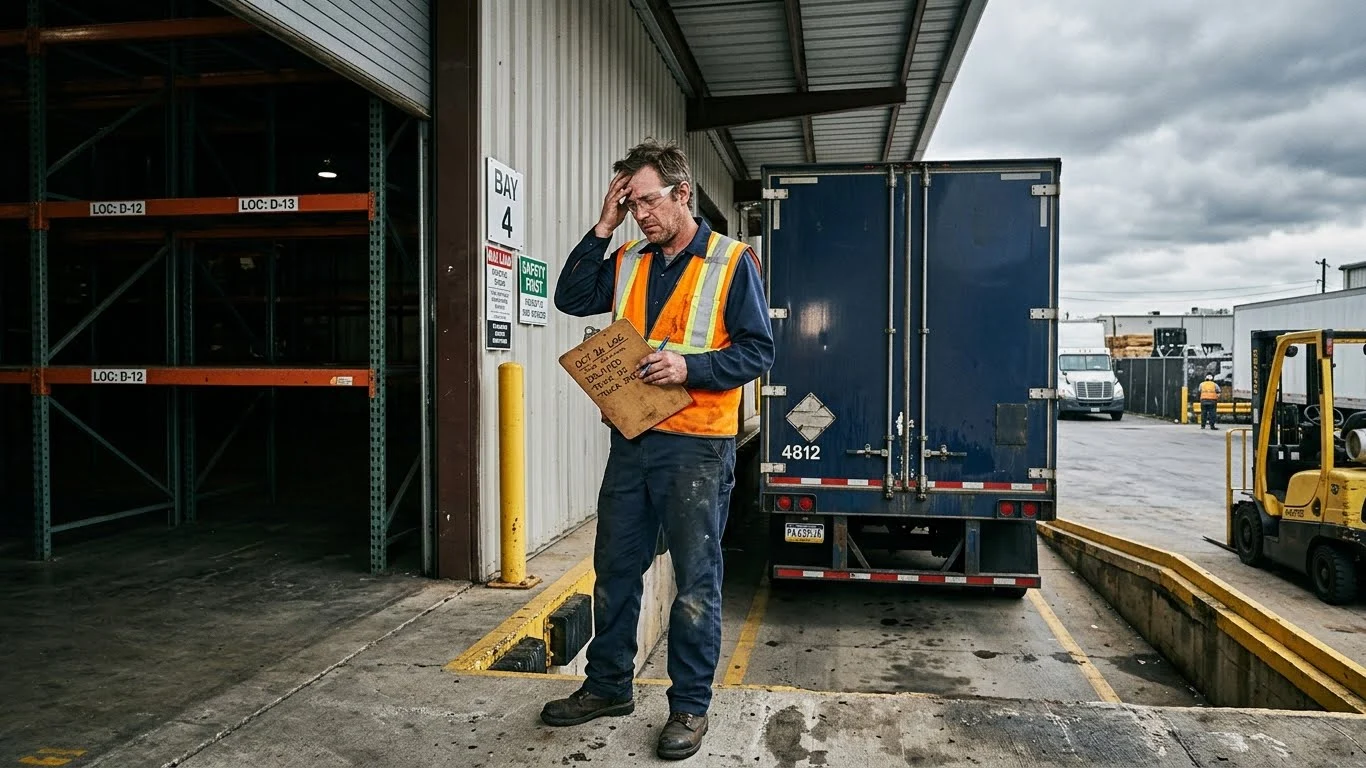
Outbound logistics can be challenging when companies struggle to deliver products to customers on time and in good condition. These problems can affect customer satisfaction and business performance.
Delayed Order Fulfillment
Customers want their orders fast. When the picking, packing, and dispatch process is slow or disorganized, orders go out late. The problem often starts in the warehouse, where poor layout, untrained staff, or high order volumes without enough resources create a backlog. Streamlining the pick-and-pack process and using software to prioritize urgent orders all help reduce fulfillment time.
Last-Mile Delivery Problems
Last-mile delivery is the final step of getting an order from a distribution center to the customer’s address. It is also the most expensive and unpredictable part of outbound logistics. Traffic, failed delivery attempts, incorrect addresses, and carrier inconsistency all cause last-mile failures. Customers expect delivery windows, real-time tracking, and the flexibility to reroute packages. Meeting those expectations while controlling delivery costs is one of the hardest problems in modern outbound logistics.
High Shipping Costs
Outbound shipping is expensive, and it is getting more expensive. Fuel surcharges, residential delivery fees, and the pressure to offer free or discounted shipping to compete with major retailers squeeze margins hard. Businesses that do not monitor their shipping spend closely or negotiate carrier contracts regularly end up paying far more than they should.
Incorrect Orders and Returns
Sending the wrong item to a customer triggers a chain of problems. The customer is unhappy. The return has to be processed. The correct item has to be reshipped. Each step costs money and time. Picking errors in the warehouse are often the root cause, whether from poor labeling, similar-looking products stored near each other, or workers under pressure rushing through orders. Returns management, also called reverse logistics, is its own challenge.
Demand Forecasting Issues
If you cannot predict how much customers will order, you cannot prepare for it. Poor demand forecasting leads to overstocking slow-moving products and running out of fast-moving ones. Overstocking ties up capital in inventory that sits on shelves. Stockouts lead to lost sales and customer frustration. AI-powered analytics tools are making this significantly more accurate for businesses that invest in them.
Challenges That Affect Both Inbound and Outbound Logistics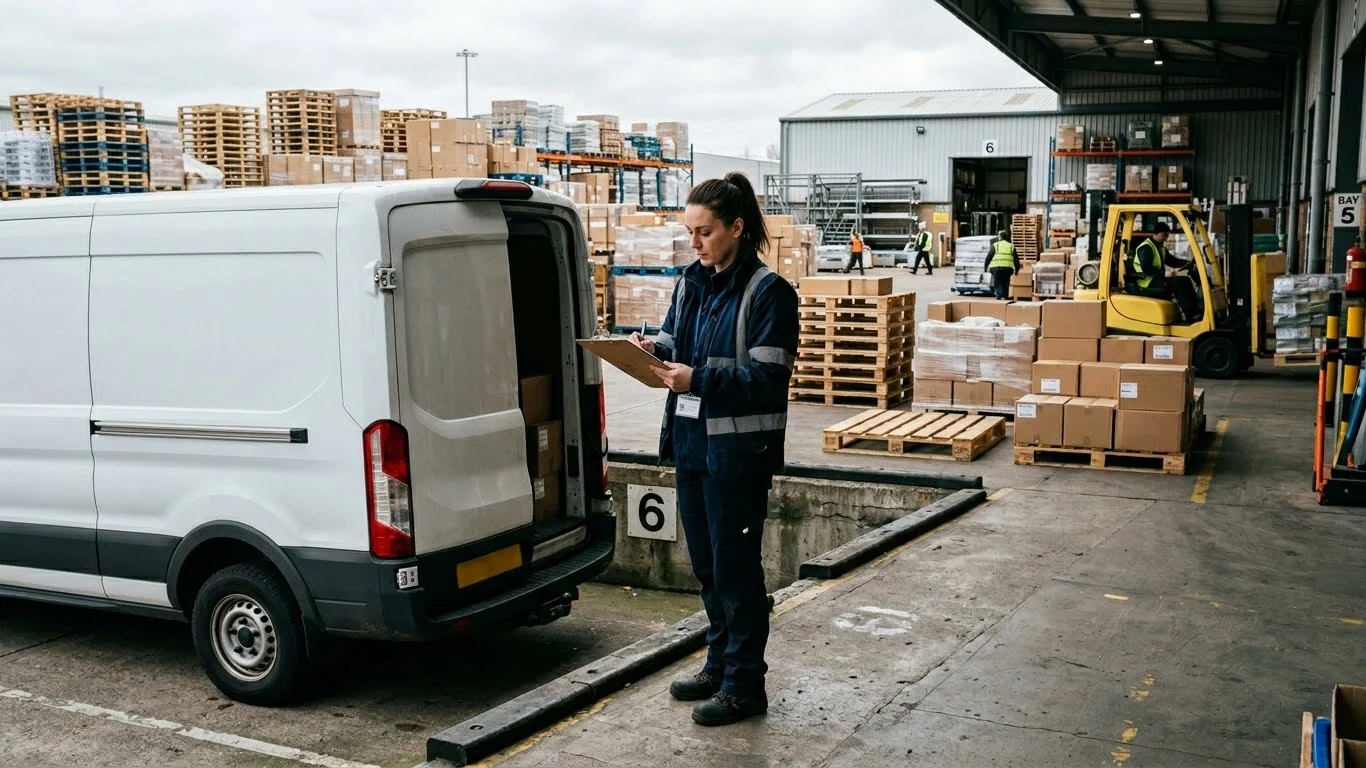
Some problems do not stay on one side of the operation. They hit inbound and outbound logistics at the same time, and when they do, the damage spreads across the entire supply chain quickly.
Poor Communication Across the Supply Chain
When procurement, warehouse, and delivery teams are not sharing the same information, gaps appear at every handoff. A supplier ships early but nobody at the dock knows. A customer order gets prioritized but the warehouse team is still working off yesterday’s list. Businesses that build clear communication channels between all parties consistently have fewer costly mix-ups and delays.
Lack of Logistics Visibility
Not being able to see where your goods are at any given moment damages both inbound and outbound operations. On the inbound side, you cannot prepare the warehouse for a delivery you do not know is coming. On the outbound side, you cannot tell a customer where their order is if your tracking data is hours behind. Real-time visibility is no longer optional in today’s supply chain environment.
Technology Integration Problems
Many businesses run inbound and outbound operations on separate systems that do not connect. The warehouse management system does not sync with the transportation management system. Data gets entered manually between platforms, which slows everything down and creates errors. When technology is fragmented, decisions get made on incomplete information, and that costs money on both sides of the operation.
Labor Shortages and Workforce Issues
Warehouses across California and the rest of the country have been dealing with labor shortages for years. Fewer workers mean slower receiving on the inbound side and slower fulfillment on the outbound side. High turnover makes it worse because new staff take time to learn the systems and standards. Investing in automation and cross-training existing employees reduces how much damage a drop in headcount can do.
Rising Fuel Costs
Fuel prices hit both sides of logistics at once. Inbound freight costs rise when supplier shipments carry higher fuel surcharges. Outbound shipping costs rise when carriers adjust their rates in response. For businesses running on tight margins, a sustained increase in diesel prices can quietly cut into profitability before anyone notices it in the numbers. Route optimization and flexible carrier relationships help absorb these swings.
Regulatory Compliance Challenges
Import regulations, customs paperwork, and carrier compliance requirements add complexity to both inbound and outbound operations. A single missing document on an inbound international shipment can hold goods at the port for days. Businesses importing through Southern California ports or shipping across state lines need systems that catch compliance issues before they become expensive delays.
Supply Chain Disruptions
Port strikes, natural disasters, and sudden trade policy changes can hit inbound and outbound logistics at the same time without warning. Businesses that already had diversified suppliers, multiple carrier options, and real-time data systems adapted faster when disruptions hit. Disruptions are not a matter of if. They are a matter of when, and how prepared your operation is when they arrive.
How Technology Improves Logistics Operations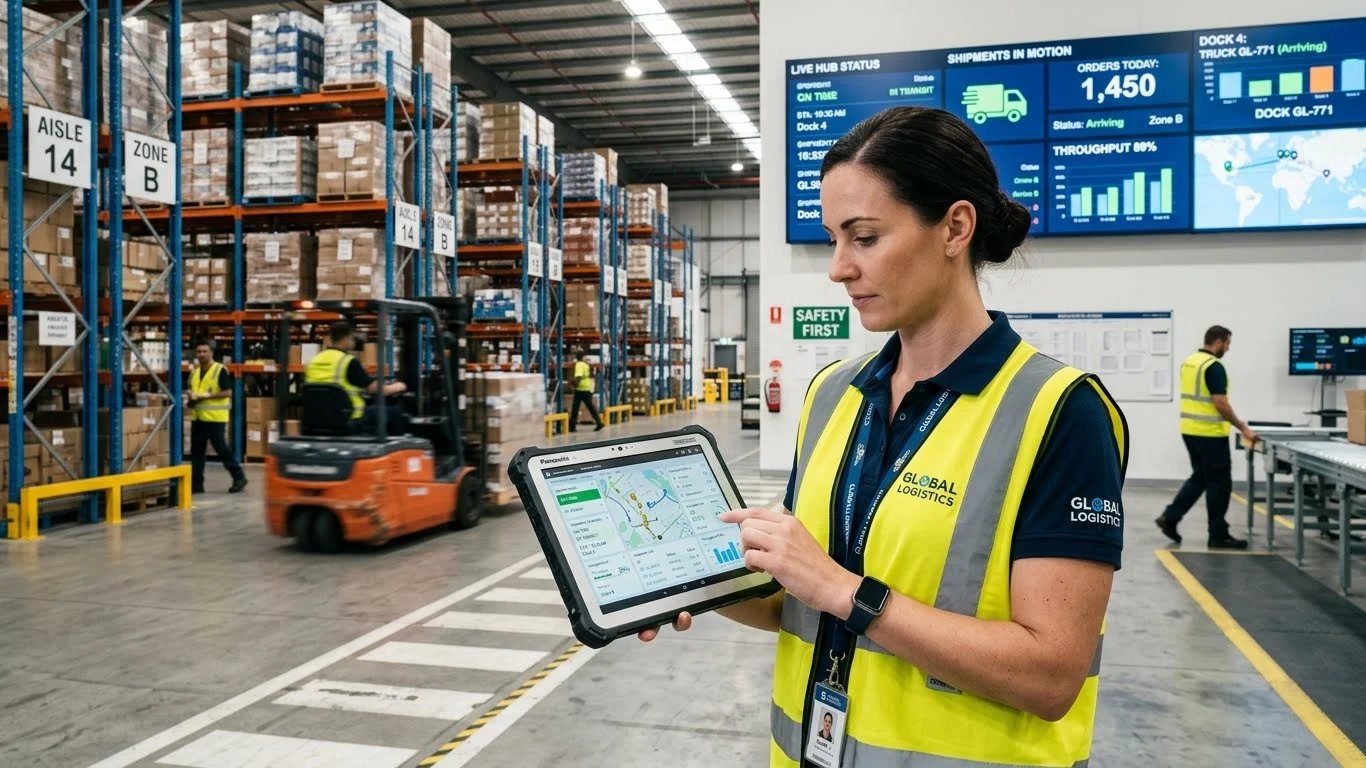
A Warehouse Management System automates inventory tracking, directs picking routes, and reduces the manual errors that come from paper-based processes. A Transportation Management System helps businesses plan routes, compare carrier rates, and track shipments across the network in real time.
Real-time tracking tools give both businesses and customers visibility into where a shipment is at any moment. This reduces customer service calls, improves planning, and allows teams to catch delays before they become crises.
Strategies to Solve Logistics Challenges
Businesses can solve logistics challenges by using better planning, clear communication, and modern tools. One important step is improving communication between suppliers, warehouses, and delivery teams so everyone knows what is happening at each stage. Companies should also use real-time tracking systems to monitor goods and reduce delays or confusion.
Training staff properly also improves accuracy and reduces mistakes in handling, packing, and shipping. In addition, using reliable transport partners and upgrading outdated systems can make both inbound and outbound logistics faster and more efficient. These strategies help reduce costs, improve delivery speed, and create a smoother supply chain overall.
Benefits of Optimizing Inbound and Outbound Logistics
When logistics works well, the whole business benefits. Faster delivery times improve customer satisfaction and drive repeat purchases. Lower operating costs improve profit margins without requiring price increases. Better inventory accuracy means less money tied up in overstock and fewer stockouts that cost sales.
Higher supply chain efficiency means less time wasted, fewer errors to fix, and a smoother flow from supplier all the way to the customer’s door. Reduced delivery errors build trust with customers and reduce the cost of processing returns and reshipping orders.
Future Trends in Logistics Management
Logistics is changing quickly because of new technology and customer expectations. In the future, more companies will use automation, such as robots and smart systems, to move and sort goods faster with fewer mistakes. Artificial intelligence will also help businesses plan better by predicting demand and improving delivery routes. Real-time tracking will become more common, so companies and customers can see exactly where their orders are at any time. Another growing trend is the use of eco-friendly logistics, where businesses try to reduce waste, cut fuel use, and lower carbon emissions. In addition, more companies will use advanced data systems to make faster and smarter decisions.
Conclusion
Inbound and outbound logistics each come with their own set of problems, but they are connected. A delay on the inbound side creates a ripple that eventually shows up as a late delivery on the outbound side. A weak outbound process reflects poorly on a business regardless of how well the inbound side is managed.
The businesses that handle logistics well are not necessarily the ones with the biggest budgets. They are the ones that understand where their weak points are, invest in the right technology, build strong supplier and carrier relationships, and track performance consistently. Planning matters. And getting both sides of the logistics operation working together matters most of all.
Ready to Improve Your Logistics Operations?
At Logos Logistics Distribution, we help businesses across Southern California streamline both inbound and outbound operations from our facility in Ontario, CA. With 44,000 square feet of warehouse space and clients averaging a 15% cost reduction, Logos Logistics Distribution is built to handle your supply chain challenges.
Whether you are dealing with supplier delays, last-mile delivery failures, or rising shipping costs, our team has the systems and experience to solve them. Contact Logos Logistics Distribution today for a free consultation.
Frequently Asked Questions
What is the difference between inbound and outbound logistics?
Inbound logistics manages the flow of goods from suppliers into your business. Outbound logistics manages the flow of finished products from your business to your customers.
Why is logistics important in supply chain management?
Logistics connects every stage of the supply chain. Without efficient inbound operations, production slows down. Without efficient outbound operations, customers do not get their orders on time.
What causes delays in logistics operations?
Common causes include supplier delays, transportation disruptions, poor inventory visibility, warehouse congestion, inaccurate demand forecasting, and a lack of real-time data to catch problems early.
How can businesses improve logistics efficiency?
Businesses can improve by investing in warehouse and transportation management systems, automating repetitive tasks, improving supplier communication, optimizing warehouse layout and monitoring logistics performance metrics regularly.
What technologies are used in modern logistics?
Common technologies include Warehouse Management Systems, Transportation Management Systems, real-time tracking platforms and RFID scanning, AI-powered demand forecasting tools, and route optimization software.