
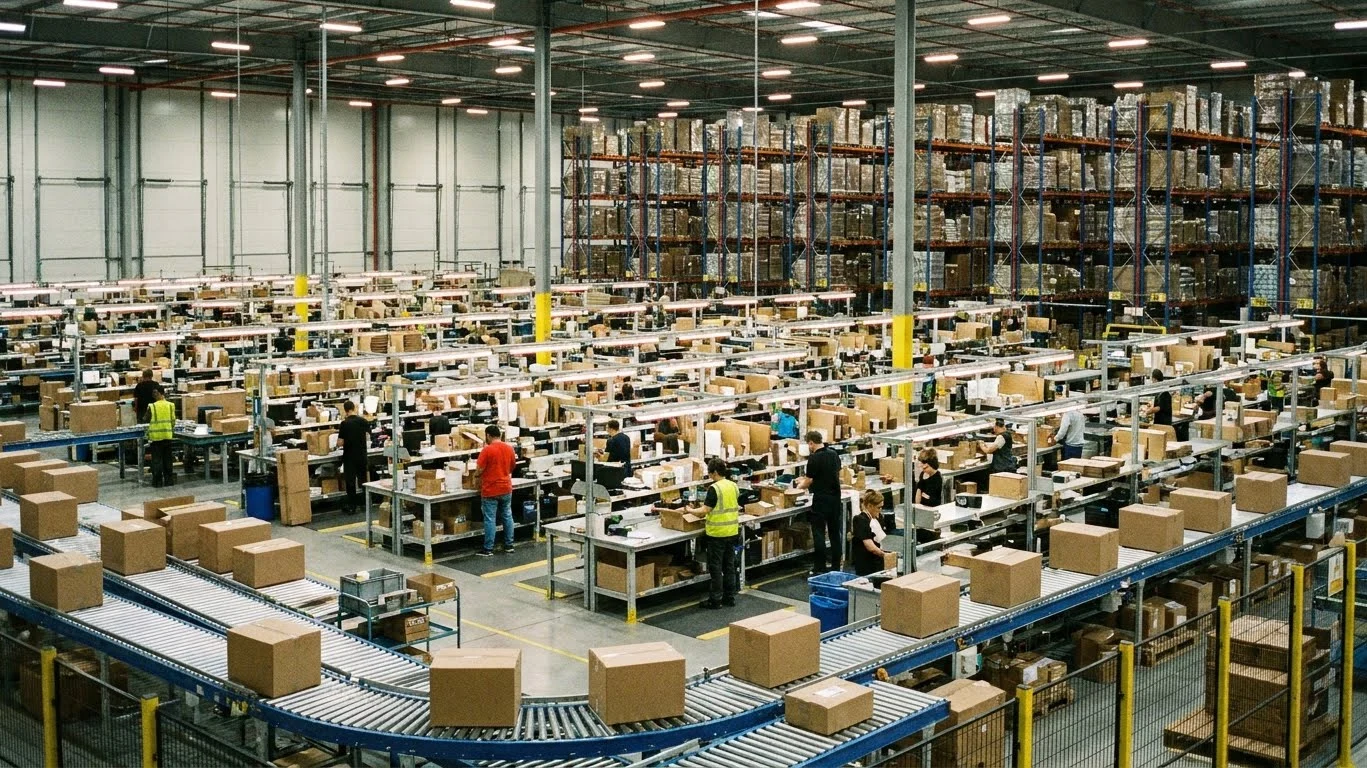
Outbound logistics is an important part of retail and online shopping. It includes everything that happens after a product leaves the warehouse, such as taking orders, packing items, shipping them, and delivering them to customers. When outbound logistics is not managed well, businesses may face higher costs, delayed deliveries, extra stock, and unhappy customers. When it is managed well, companies can save money, deliver faster.
As customer expectations grow, outbound logistics is becoming even more important for business success. Good outbound logistics can also help businesses grow, as companies with efficient supply chains often perform better and earn higher profits. For businesses across Southern California, getting outbound logistics right is no longer optional.
What Is Outbound Logistics?
Outbound logistics covers every step involved in getting a finished product from your facility to your customer. It starts the moment an order is placed and ends when the package arrives at the customer’s door. Everything in between, picking the item from storage, packing it, labeling it, handing it to a carrier, and tracking it through delivery, falls under outbound logistics.
It is different from inbound logistics, which manages the flow of raw materials and goods coming into your facility from suppliers. Outbound is entirely focused on the customer end of the supply chain.
Why Order Fulfillment Speed Matters
Customers today do not just want fast delivery. They expect it. Research consistently shows that delivery speed is one of the top factors customers consider when deciding whether to buy from a business again. A slow fulfillment experience does not just cost you one sale. It can cost you the customer entirely.
The impact goes beyond individual orders. When fulfillment is slow, customer service calls increase. Returns become more complicated. Negative reviews accumulate. And in an environment where competitors are offering same-day or next-day delivery, even a two-day gap in shipping speed can shift buying decisions.
How Outbound Logistics Improves Order Fulfillment Speed
Outbound logistics improves order fulfillment speed by helping products move quickly and smoothly from the warehouse to the customer. It includes important steps such as order processing, inventory management, picking and packing, shipping, and final delivery.
Faster Order Processing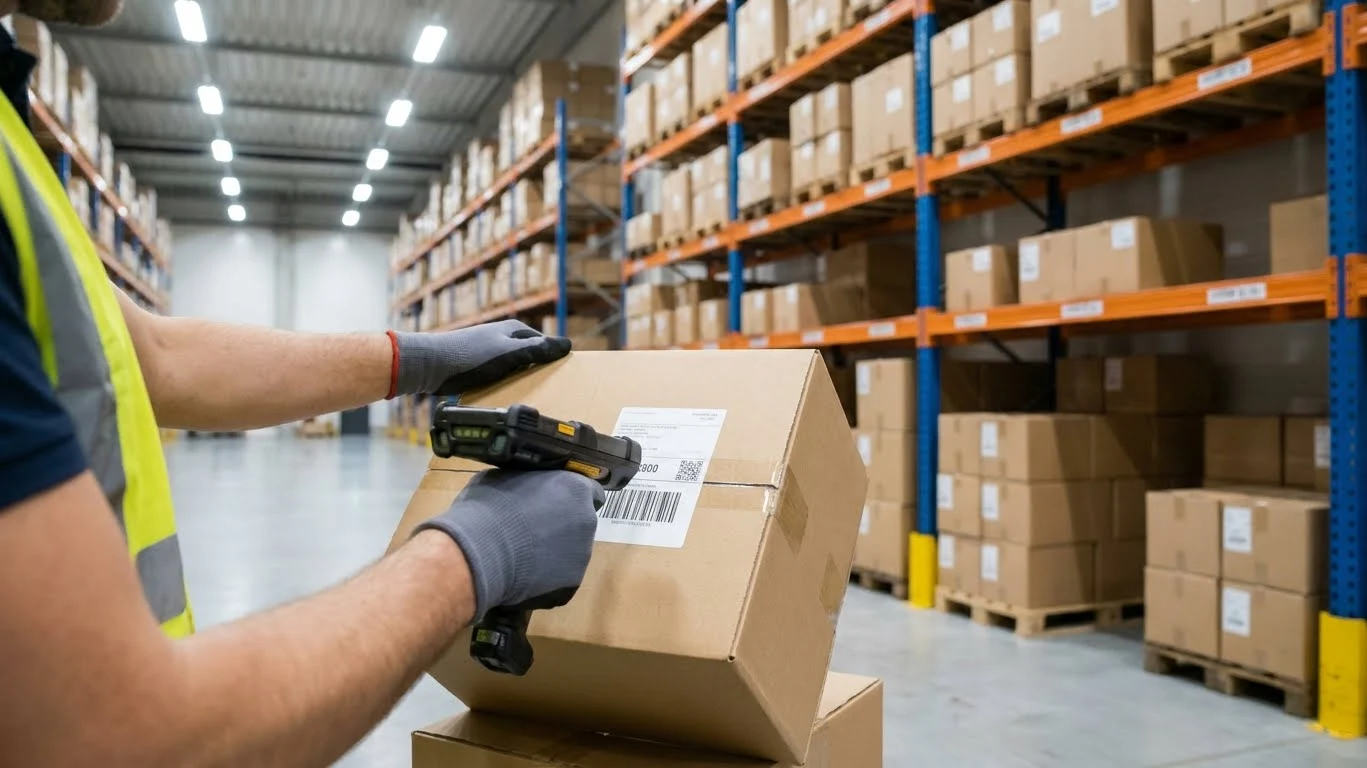
If your order management system requires manual review, manual data entry, or multiple approval steps before anything moves, time is already being lost before a single item is picked. When an order comes in, the system immediately confirms availability, assigns the pick task to a warehouse worker or robot, and generates the shipping label, all without anyone having to type anything in manually.
This reduces the time between order placement and dispatch from hours to minutes in well-optimized operations. Fewer manual touchpoints also means fewer errors. An order that goes out correctly the first time does not need to be corrected, reshipped, or refunded. Every error that does not happen is fulfillment time that does not get wasted.
Efficient Warehouse Operations
A disorganized warehouse is a slow warehouse. When workers have to travel long distances to pick items, search through poorly labeled shelves, or wait for congested areas to clear, fulfillment speed drops with every order.
Organized storage systems built around order frequency make a direct difference. Products that sell frequently should be stored closest to packing stations. Items that are often ordered together should be stored near each other. This kind of layout design, called slotting optimization, can cut pick times significantly without requiring any new technology.
Optimized Transportation and Route Planning
Getting an order out of the warehouse quickly is only half the job. It still has to reach the customer on time. How carriers are selected and how routes are planned has a direct impact on how fast that final leg of delivery happens.
Transportation Management Systems give businesses the ability to compare carrier options, select the most cost-effective and time-efficient route for each shipment, and automate the booking process. Without a TMS, carrier selection often happens manually based on habit or relationships rather than performance data.
Real-Time Tracking and Visibility
One of the most overlooked ways that outbound logistics improves fulfillment speed is through visibility. When every team member can see where a shipment is at any point in transit, problems get caught earlier and resolved faster.
Real-time tracking also improves coordination between warehouse, carrier, and customer service teams. When everyone is working from the same live data, fewer things fall through the cracks and fewer orders require manual follow-up to resolve.
Strong Last-Mile Delivery Performance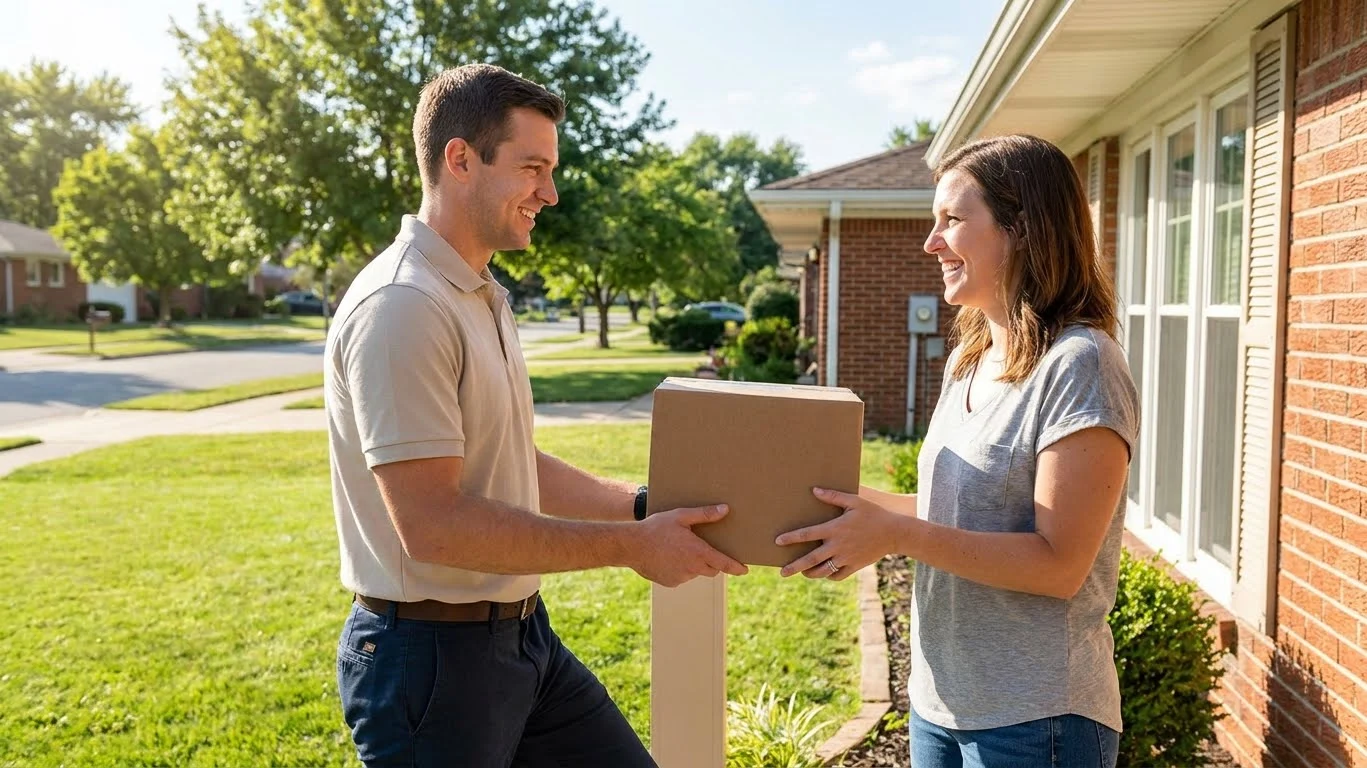
Last-mile delivery is the final step, and it is the most visible one to the customer. It is also the most expensive and unpredictable part of the outbound logistics chain. Traffic, failed delivery attempts and inconsistent carrier performance all create last-mile delays that can undo everything the warehouse did quickly and correctly.
Businesses that invest in last-mile performance, whether through carrier partnerships, local delivery networks, or real-time delivery notifications that reduce failed attempts, see direct improvements in how fast orders reach customers.
Key Challenges That Slow Down Outbound Logistics
Many businesses face problems that can slow down outbound logistics and delay customer deliveries. When stock levels are inaccurate or products are hard to locate in the warehouse, order processing takes longer and mistakes become more common.
Warehouse congestion is another major issue. During busy periods, workers may struggle to pick, pack, and ship orders quickly. Poor warehouse layouts and manual processes can also reduce efficiency and slow down operations.
Transportation delays can also affect outbound logistics speed. Traffic, weather conditions, fuel costs, and unreliable carriers may cause late deliveries. Last-mile delivery, which is the final step of getting products to customers, is often one of the biggest challenges for many businesses.
Strategies to Improve Outbound Logistics Speed
Businesses can improve outbound logistics speed by making their processes faster, more organized, and more accurate. One of the best strategies is using warehouse management systems to track inventory and guide workers during picking and packing.
Use of Automation Technology
Warehouse automation tools, including conveyor systems, automated sorting equipment, and robotic picking systems, dramatically increase the speed at which orders move from shelf to shipping dock. AI-based order processing takes this further by prioritizing orders based on delivery deadlines, carrier cutoff times, and item location in the warehouse.
Improve Inventory Management
Real-time stock tracking ensures that what the system shows as available is actually available. When inventory data is accurate, orders do not get confirmed for items that require a backorder or a restock, which is one of the most common causes of fulfillment delays. Preventing both stockouts and overstocking keeps the warehouse operating at the right level of efficiency.
Optimize Carrier Selection
Choosing reliable delivery partners based on performance data, not just price, protects fulfillment speed at the delivery stage. A carrier that is cheaper but misses delivery windows consistently costs more in customer service and reshipments than the rate savings justify. Comparing multiple carriers helps businesses choose faster and more reliable shipping options.
Strengthen Warehouse Processes
Better layout planning, slotting optimization, and clearly defined pick-and-pack workflows reduce the time it takes to process each order without requiring major technology investments. Training workers on standardized processes and regularly reviewing where bottlenecks form keeps operations improving over time rather than stagnating.
Benefits of Faster Outbound Logistics
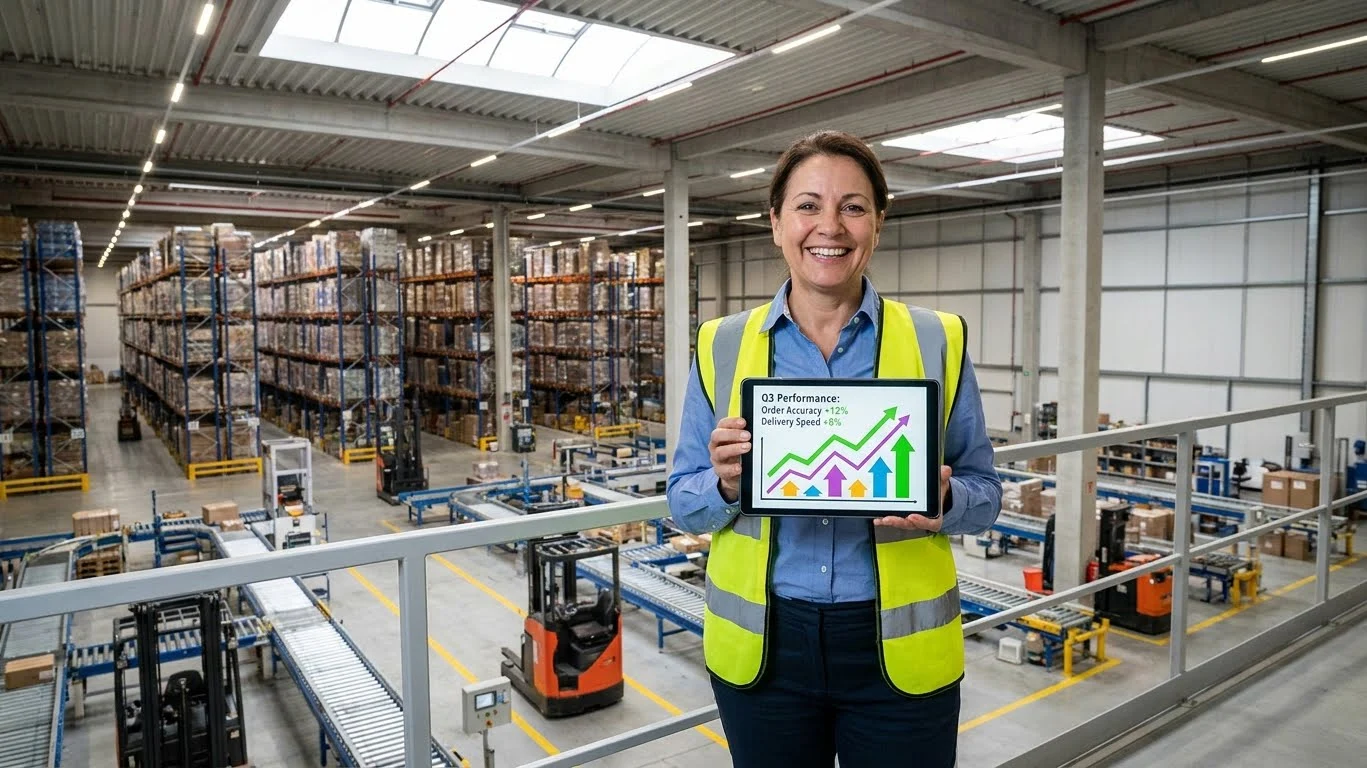
When outbound logistics is working at full speed, the benefits show up across the entire business. Customer satisfaction scores improve when orders arrive on time and correctly packed. Higher order accuracy means fewer returns and fewer customer service contacts per order shipped.
Operational costs come down when routes are optimized, carriers are selected strategically, and warehouse errors are reduced. Business efficiency increases because teams spend less time fixing problems and more time processing volume. And brand reputation builds steadily when customers can count on consistent, fast, reliable delivery every time they order.
Future of Outbound Logistics in Order Fulfillment
The next few years will bring significant changes to how outbound logistics operates. AI and automation are moving from large enterprise tools to solutions accessible by mid-size businesses. Same-day delivery, once reserved for major platforms, is expanding into regional markets as more local carrier networks develop.
Smart warehouses with robotic picking systems, automated sortation, and AI-driven inventory management are becoming more common. Real-time predictive analytics will allow businesses to anticipate delays before they happen and reroute or restock proactively.
Ready to Move Orders Faster from Ontario, CA?
If your outbound logistics is costing you time, customers, or money, it is time to make a change. Logos Logistics Distribution operates from our 44,000 square foot facility at Ontario, CA, serving businesses across Southern California with warehousing, outbound fulfillment, carrier management, and last-mile delivery solutions.
We help businesses cut costs by up to 15% and boost output by up to 30%, without sacrificing accuracy or speed. Contact our team today and let us build the outbound logistics setup your business actually needs.
Conclusion
Outbound logistics is the engine behind order fulfillment speed. Every stage of the process, from the moment an order is placed to the moment it lands at a customer’s door, is shaped by how well the outbound operation is built, staffed, and managed.
Faster order processing, efficient warehouse operations, smart transportation planning, real-time visibility, and strong last-mile delivery all work together to close the gap between what customers expect and what a business delivers. The businesses that treat outbound logistics as a strategic priority consistently outperform those that treat it as a cost center.
What is the difference between inbound and outbound logistics?
Inbound logistics manages the flow of goods coming into your facility from suppliers. Outbound logistics covers everything that happens after the product leaves your warehouse, from packing to final delivery at the customer’s door.
Why is last-mile delivery the hardest part of outbound logistics?
Last-mile delivery is the most expensive and unpredictable step in the entire outbound chain. Traffic, failed delivery attempts, and inconsistent carrier performance can undo everything the warehouse did quickly and correctly.
How does a Transportation Management System improve delivery speed?
A TMS allows businesses to compare carrier options, select the most time-efficient route for each shipment, and automate the booking process. Without it, carrier selection happens manually based on habit rather than real performance data.
What is slotting optimization in a warehouse?
Slotting optimization means storing high-frequency products closest to packing stations and keeping items that are often ordered together near each other. This layout design cuts pick times significantly without requiring any new technology.
How much can businesses save by improving outbound logistics?
Businesses that optimize their outbound logistics operations can cut costs by up to 15% and boost output by up to 30% without sacrificing order accuracy or delivery speed.