
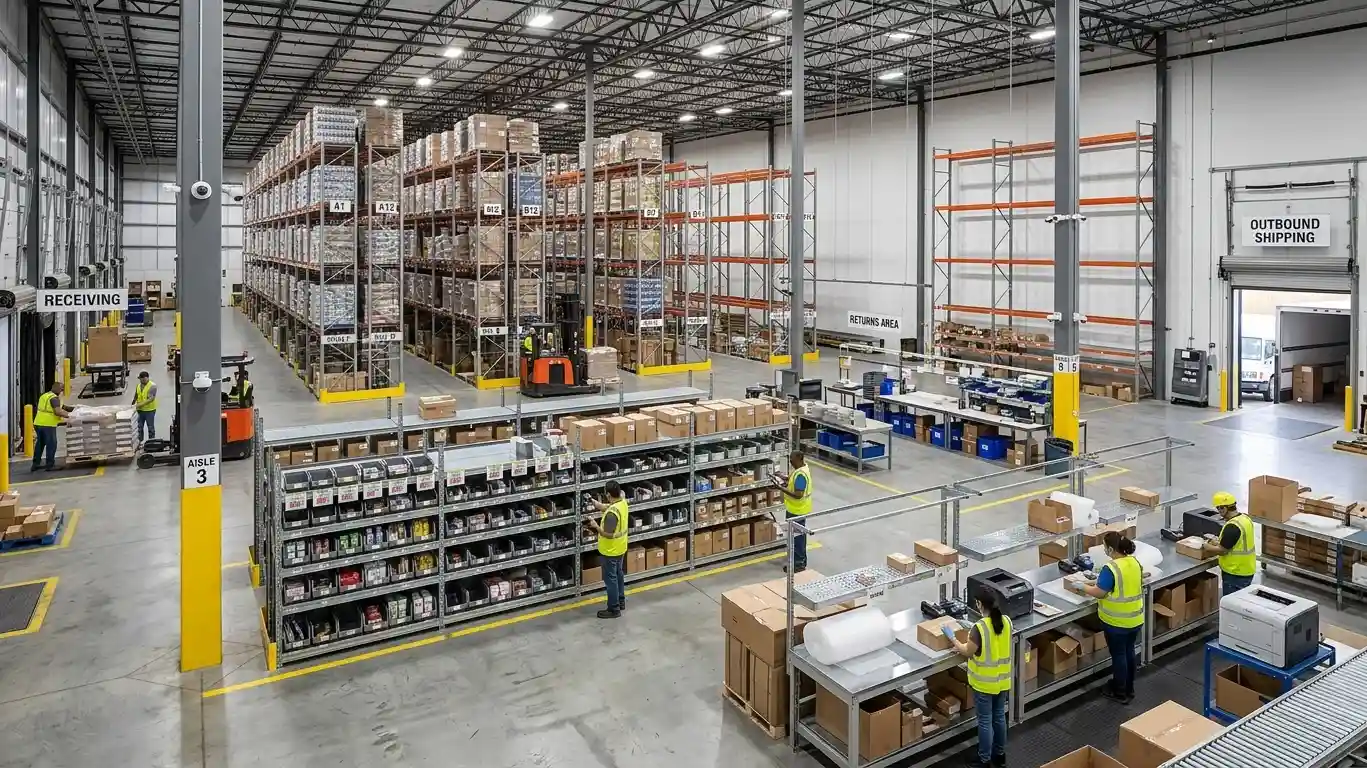
Scalable storage solutions help retail and e-commerce businesses handle changing inventory and growing order volumes. As your business grows, you need a storage system that can hold more products, manage busy seasons, and keep orders moving without delays.
The goal is not just to get more storage space. It is to have a flexible system that keeps products organized and supports business growth. At Logos Logistics Distribution in Ontario, CA, we help retail and e-commerce businesses find storage solutions that fit their needs. This guide explains the best storage options and strategies to help your business grow with confidence.
What Are Scalable Storage Solutions for Retail and E-Commerce Businesses?
Scalable storage solutions are storage systems that can grow with your business. They help retail and e-commerce companies manage changing inventory levels without constantly moving to a new facility. These solutions provide flexibility, better organization, and the ability to handle seasonal demand and business growth more efficiently.
Limited Space and Inventory Overflow
Most businesses begin with small storage spaces like a garage or small unit, but as inventory grows, these quickly become overcrowded and disorganized. This leads to slower operations, packing errors, and fulfillment delays, ultimately making it difficult to scale and maintain efficiency.
Seasonal Demand Surges
Retail demand is seasonal, with peaks like holidays, back-to-school, and summer sales that require extra inventory. Without flexible storage, businesses often run out of space during busy periods or pay for unused capacity during slower months, leaving them either overextended or underprepared.
Increasing Fulfillment Complexity
In the early stages, order fulfillment is simple, but it becomes more complex as the business grows across multiple channels, returns, and shipping locations. Without an organized and accessible storage system, this added complexity can slow down fulfillment and increase errors.
What Makes a Storage Solution Truly Scalable?
A scalable storage solution grows with your business and adapts to changing inventory needs. It should allow you to increase or reduce storage space as demand changes, helping you avoid wasted space during slow periods and shortages during busy seasons.
Scalability is not just about space. A good storage solution should also support changing inventory levels, improve organization, and adapt to your operations without major disruptions. The best solutions make it easier to grow while keeping your business running smoothly.
Types of Scalable Storage Solutions for Retail and E-Commerce Businesses
Different storage solutions offer varying levels of flexibility, capacity, and support for growing businesses.
Self-Storage Units
Self-storage works well for early-stage sellers due to its affordability and accessibility, but it has clear limitations as businesses grow. It is not designed for frequent fulfillment needs and is better suited for overflow or low-turnover inventory rather than long-term scaling.
Shared Warehouse Space
Shared warehouse space offers professional storage without requiring a dedicated facility. Businesses only pay for the space they use while sharing common amenities like loading docks and facilities. It’s a practical middle option for those who have outgrown self-storage but aren’t ready for a private warehouse.
Private Warehousing
A private warehouse offers full control over space, layout, and operations, making it ideal for high-volume businesses with complex fulfillment needs. However, it comes with higher costs, long-term commitments, and full operational responsibility.
Third-Party Logistics (3PL)
A 3PL provider manages storage, fulfillment, and shipping on your behalf, handling everything from picking to delivery. It’s a strong option for businesses looking to outsource warehousing entirely, but it offers less control over inventory handling and costs that increase with order volume.
On-Demand Storage Networks
On-demand storage uses a network of facilities to store and access inventory as needed, making it ideal for businesses with fluctuating demand or multi-region sales. It offers high flexibility but requires strong inventory tracking to manage effectively.
Choosing the Right Storage Solution for Your Business Stage
Choose a storage solution that aligns with your current inventory needs while supporting future growth.
Startup and Early-Stage Sellers
At this stage, keeping costs low is key, so self-storage or small shared warehouse space works best. Staying organized early helps build strong inventory habits and makes future scaling much easier.
Growing Multi-Channel Businesses
When selling across multiple platforms with higher order volumes, you need storage that supports efficient picking and organization. Shared warehouse space or a 3PL setup usually works best, with integration into your order management system becoming essential.
High-Volume Retail Operations
At high volume, private warehousing or a dedicated 3PL provides the control and capacity needed to scale efficiently. The focus shifts from cost to speed, accuracy, and fulfillment performance, where every operational hour counts.
Key Features of a Scalable Storage Solution
The right storage features help businesses maximize space, streamline operations, and adapt more easily to changing inventory demands.
Organized Inventory Systems
Clear labeling, consistent placement, and a logical layout help reduce picking time and errors. Whether using bins, barcodes, or categories, the goal is fast and easy product identification for any staff member.
Vertical Storage Utilization
Most businesses underuse vertical space, relying only on floor area. Shelving, mezzanines, and pallet racking help store more inventory within the same footprint. Maximizing vertical storage is an easy way to extend your current setup before expanding to a larger facility.
Secure Inventory Access
Theft, unauthorized access, and inventory loss are real risks. Secure storage with access controls, surveillance, and proper tracking helps protect inventory and quickly identify discrepancies.
Streamlined Order Processing
Storage layout should be designed around order fulfillment, not just storage. High-demand items should be near packing areas, and returns should have a dedicated zone. A smooth flow from shelf to shipment speeds up fulfillment.
Building a Storage Strategy for Long-Term Growth
A well-planned storage strategy helps businesses stay organized, support expansion, and manage inventory more effectively as demand increases.
Forecasting Inventory Requirements
Review sales data to identify consistent and seasonal trends. Forecasting storage needs in advance helps prevent space shortages, and even basic projections are better than no planning.
Preparing for Peak Sales Periods
Plan storage around peak periods, especially when inventory spikes significantly. Preparing in advance by securing extra space, booking 3PL capacity early, or clearing slow-moving stock helps you avoid shortages during busy seasons.
Creating Efficient Storage Workflows
Document your inventory flow from receiving to storage, picking, and shipping to identify delays and inefficiencies. Improving these small workflow steps can significantly increase overall fulfillment speed and efficiency over time.
How Technology Supports Scalable Storage Solutions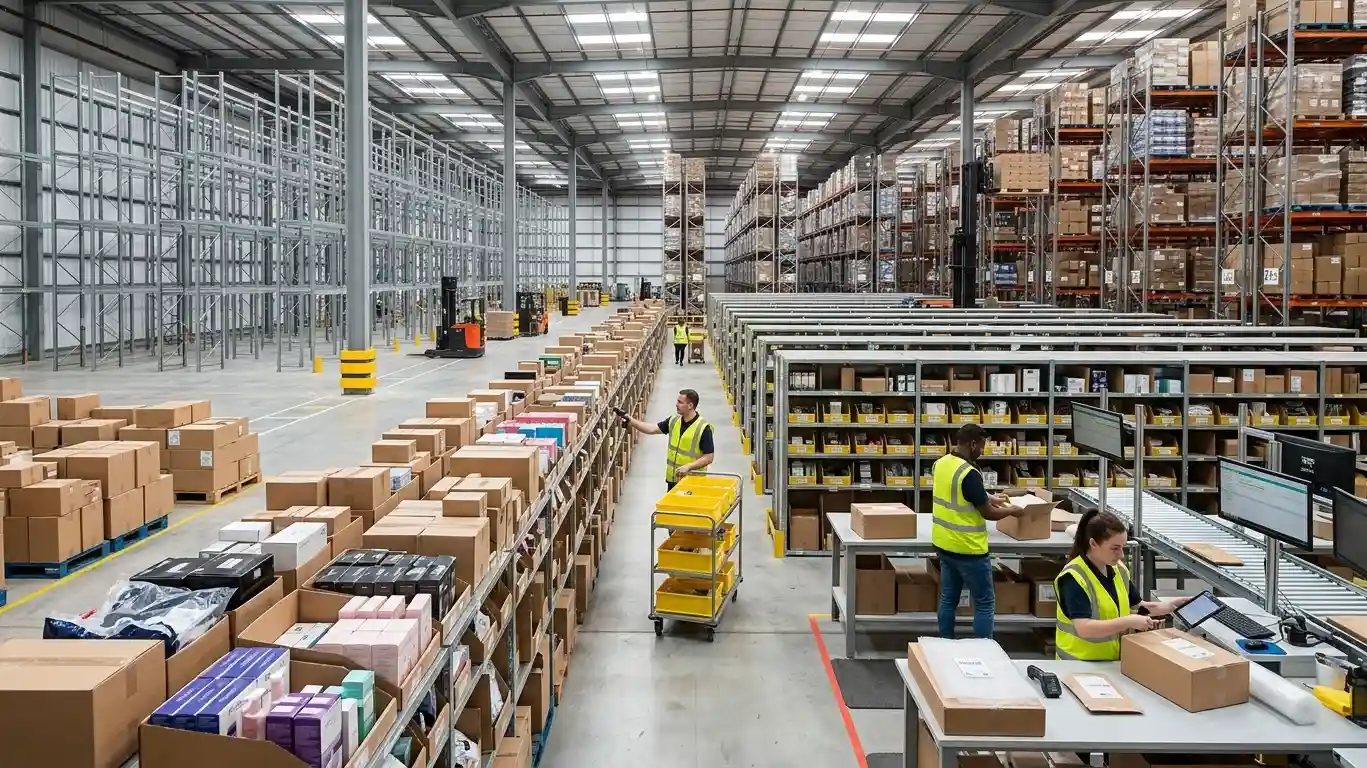
Technology helps businesses manage inventory more efficiently, streamline operations, and support growth.
Inventory Tracking Systems
A basic tracking system, even a spreadsheet, is better than relying on memory. As business grows, dedicated inventory software becomes essential for real-time visibility of stock, location, and movement.
Warehouse Management Software
Warehouse Management Systems (WMS) automate receiving, storage, picking, and shipping processes. They reduce errors, improve accuracy, and provide data to optimize operations. For high SKU counts or large order volumes, a WMS quickly delivers strong efficiency gains.
Automation and Fulfillment Integration
Barcode scanners, automated picking systems, and store-to-warehouse integration reduce manual work and speed up fulfillment. As order volume grows, automation helps you scale without significantly increasing labor costs.
Signs Your Business Has Outgrown Its Current Storage Setup
Frequent space shortages, inventory issues, and fulfillment delays may indicate that your current storage solution can no longer support business growth.
Delayed Order Fulfillment
If orders are consistently delayed due to storage or picking issues, your setup is no longer sufficient for your current volume and needs improvement.
Inventory Organization Issues
When staff frequently struggle to locate products, pick incorrect items, or spend excessive time searching, it indicates that the storage system is no longer effective.
Lack of Expansion Capacity
If you cannot add new products, run promotions, or handle even a small increase in demand without disruption, your current setup is already at its limit.
Operational Bottlenecks
Receiving delays, packing congestion, and unprocessed returns all indicate that your storage infrastructure is restricting operational efficiency.
How to Select the Right Scalable Storage Solution
The right storage solution should meet your current needs while providing the flexibility to support future business growth.
Evaluate Current and Future Inventory Needs
Start with your current position and realistically project where your business will be in the next 12 to 24 months. Select a storage solution that meets today’s needs while allowing for future growth.
Consider Fulfillment Requirements
How often are orders picked, and do you require same-day or next-day shipping? Do you need integration with specific platforms or carriers? Your fulfillment requirements should guide your storage decisions, not the other way around.
Assess Accessibility and Flexibility
Can you access your inventory when needed, and adjust your space up or down without complex contract changes? In most cases, the added flexibility is worth a modest premium.
Choose a Solution That Supports Growth
The right storage solution should not need to be replaced within a few months. It should support your growth or allow a smooth transition as your needs evolve.
Common Storage Mistakes That Limit Business Growth
Poor storage planning and inventory management can create inefficiencies that slow business growth and daily operations.
Waiting Too Long to Scale
Most businesses only address storage when it becomes a crisis, by which point operations are already affected. It’s better to plan your next move before you run out of space, not after.
Poor Inventory Organization
Disorganized storage wastes time on every order. Investing in proper labeling, shelving, and layout quickly pays off through faster fulfillment and fewer errors.
Ignoring Seasonal Storage Needs
Treating storage as a fixed resource despite seasonal demand often leads to unnecessary costs or operational strain during peak periods. Effective planning should account for seasonality in advance.
Choosing Space Without a Growth Plan
Signing a long-term lease on space that fits your current needs but offers no room for growth is a costly mistake. Always assess storage decisions in line with your future growth trajectory.
Need Scalable Storage Solutions in Ontario, CA?
If your inventory is outgrowing your current space or order fulfillment is becoming difficult to manage, Logos Logistics Distribution can help. Our flexible warehousing and storage solutions are designed for growing retail and e-commerce businesses throughout Ontario, CA and Southern California. Contact our team today to discuss a storage solution that fits your current needs and supports future growth.
Conclusion
The right storage solution can help your business stay organized, improve fulfillment speed, and support long-term growth. Whether you are managing seasonal inventory spikes or expanding into new sales channels, choosing a scalable storage solution gives you the flexibility needed to grow with confidence. By planning ahead and investing in the right storage strategy, your business can avoid bottlenecks and stay ready for future demand.
Frequently Asked Questions
What is the best storage solution for a growing e-commerce business?
It depends on your volume and fulfillment needs. Shared warehouse space works for businesses beyond self-storage, 3PL is best for full fulfillment outsourcing, and private warehousing suits high-volume operations needing control and customization.
How can retailers scale inventory storage efficiently?
Focus on organization, use vertical space, and track inventory to improve efficiency. When you outgrow your setup, move to shared or on-demand storage before a long-term lease.
When should a business move from self-storage to warehouse space?
When self-storage starts limiting accurate, on-time order fulfillment, it’s time to move. Key signs include running out of space, lacking proper picking and packing areas, and spending too much time managing disorganized inventory.
What features should a scalable storage solution include?
Flexible capacity, organized inventory systems, technology integration, secure access, and a layout designed around your fulfillment process are the key features to look for.
Can scalable storage improve fulfillment operations?
Better-organized, properly sized storage directly improves picking speed, reduces errors, and shortens fulfillment times. Storage and fulfillment are closely linked, so improving one naturally enhances the other.