
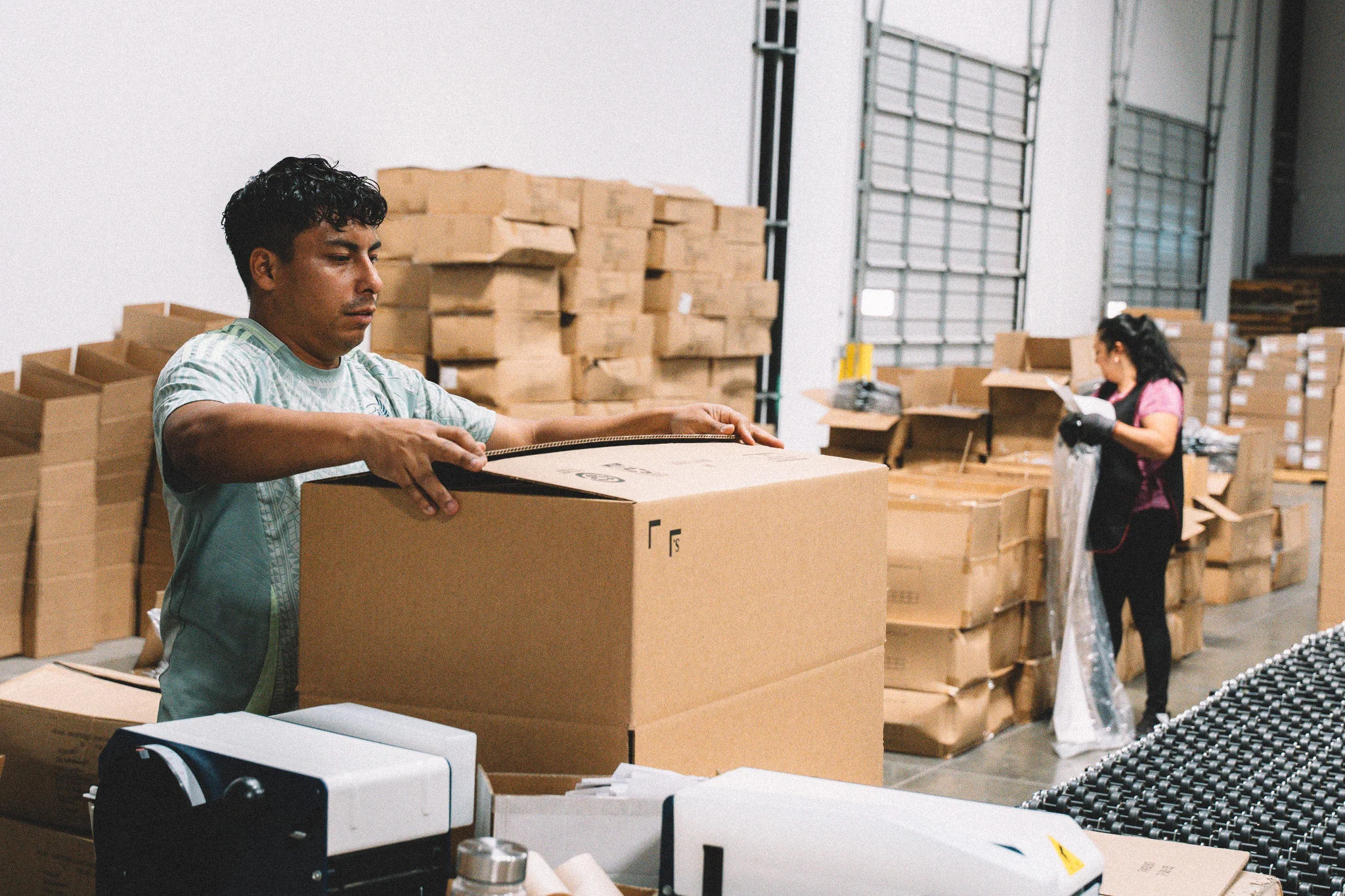
Brands that treat shipping as an afterthought often feel the impact first through higher costs, slower delivery times, and frustrated customers. Brands that plan ahead build systems that absorb change without disruption. This guide breaks down the most important shipping trends shaping 2026 and explains how apparel brands can prepare now instead of reacting later.
Throughout this article, we’ll also highlight how fulfillment partners like Logos Logistics & Distribution help apparel brands adapt to these shifts through smarter warehousing, flexible fulfillment, and predictable pricing. You can explore our broader approach through our logistics and fulfillment services.
1. Shipping costs will continue to rise in 2026
Carrier pricing pressure is not slowing down. Fuel adjustments, labor costs, and regional delivery surcharges are becoming permanent fixtures rather than seasonal spikes. Apparel brands that rely on thin margins feel these increases immediately, especially when shipping lightweight but high volume items.
In 2026, brands that lack shipping strategy often see unpredictable monthly costs. Those with structured fulfillment partners reduce exposure by consolidating shipments, optimizing carton sizes, and negotiating better carrier mixes. This is one reason many apparel brands are moving fulfillment operations into regional hubs like the Inland Empire, where logistics infrastructure supports lower overall shipping spend.
2. Faster delivery is no longer optional
Customer expectations continue to rise. Two to three day delivery is now standard for most apparel purchases, even outside major holidays. Slow shipping directly impacts conversion rates, repeat purchases, and reviews.
To keep pace, apparel brands are shifting inventory closer to customers and reducing handoffs between systems. Fulfillment centers that support fast pick, pack, and dispatch workflows help brands meet expectations without overspending on expedited shipping.
Logos supports this shift by operating from Ontario, California, near the Long Beach port and major freeway corridors. This positioning allows faster inbound receiving and outbound delivery across the West Coast while maintaining predictable fulfillment timelines.
3. Apparel brands are reducing reliance on single carriers
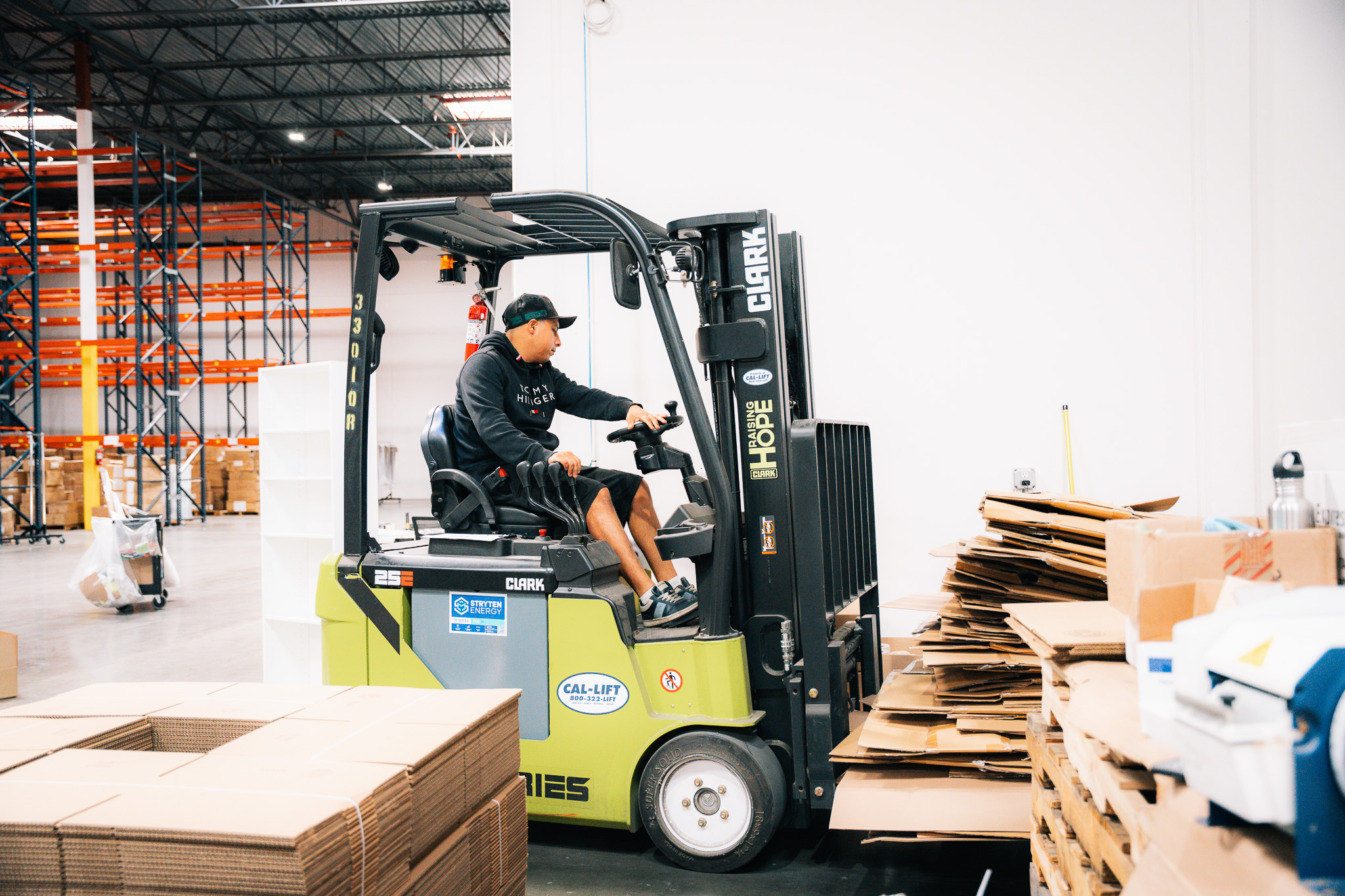
In 2026, flexibility matters more than loyalty to any one carrier. Rate volatility and regional delays have pushed apparel brands to diversify shipping options. Using multiple carriers allows brands to balance speed, cost, and reliability depending on destination and order size.
This shift requires fulfillment operations that can route orders dynamically rather than locking everything into a single shipping method. Warehouses that support flexible carrier logic help brands avoid bottlenecks during peak volume.
4. Shipping efficiency now impacts sustainability goals
Sustainability is becoming part of purchasing decisions, especially for apparel shoppers. Brands are expected to reduce excess packaging, minimize shipping distance, and avoid unnecessary returns. Poor fulfillment decisions increase waste and cost.
Efficient shipping starts inside the warehouse. Right sized packaging, accurate picks, and fewer split shipments reduce both environmental impact and expense. Logos works with apparel brands to standardize packaging and optimize order flow so shipments stay efficient and consistent.
5. Multi channel shipping will be the norm
By 2026, most apparel brands are no longer shipping from one channel. Shopify, Amazon FBM, TikTok Shop, and wholesale orders are often fulfilled from the same inventory pool. Shipping systems that cannot handle this complexity create overselling, delays, and customer complaints.
Centralized inventory with channel specific shipping rules is becoming essential. Logos supports this by managing one inventory pool across channels while maintaining consistent shipping performance. This reduces stock fragmentation and improves cash flow.
How apparel brands can prepare for 2026 shipping changes
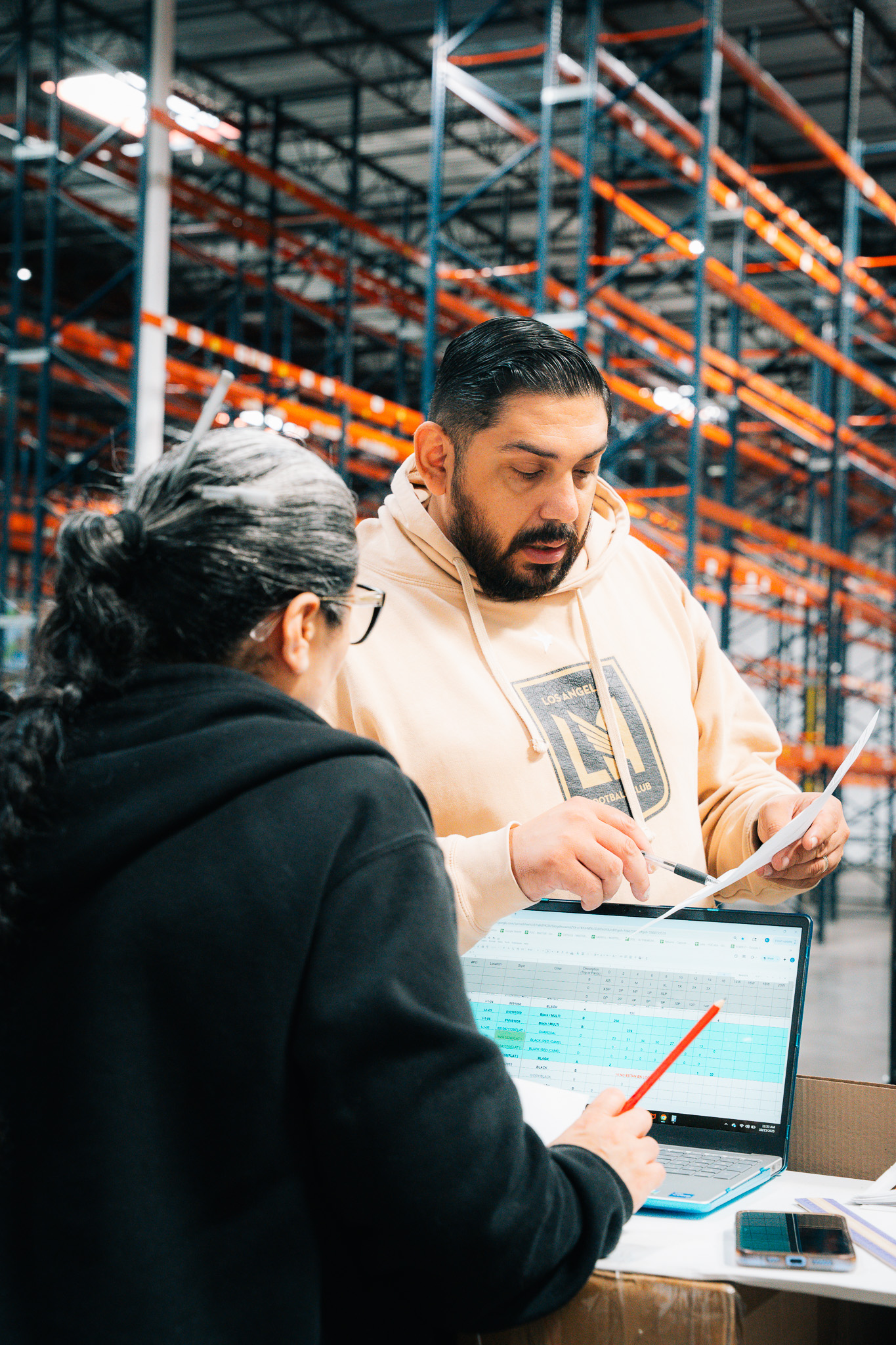
Preparation does not mean overhauling everything at once. It means tightening the fundamentals before shipping pressure increases.
- Review current shipping costs and identify seasonal spikes
- Audit delivery times and customer complaints
- Evaluate warehouse location and carrier flexibility
- Standardize packaging and reduce shipping errors
- Work with a fulfillment partner that offers predictable pricing
Many apparel brands that partner with Logos are able to cut total logistics costs by up to 15 percent while increasing outbound speed by as much as 30 percent through better layout, packaging discipline, and carrier optimization. You can learn more about how this works on our fulfillment capabilities page.
FAQs: 2026 shipping trends for apparel brands
Will shipping costs continue to increase in 2026? ▾
Most indicators suggest yes. Carrier adjustments and labor costs are becoming permanent, making optimization and fulfillment strategy more important than ever.
How can apparel brands ship faster without paying more? ▾
By improving warehouse location, packaging efficiency, and carrier selection. Fulfillment partners like Logos design shipping workflows to balance speed and cost.
Is regional warehousing better than coastal fulfillment? ▾
For many brands, yes. Inland hubs offer lower costs, faster receiving, and strong highway access without the congestion of port-adjacent warehouses.
Can Logos support multi-channel shipping in 2026? ▾
Yes. Logos supports Shopify, Amazon FBM, TikTok Shop, and wholesale shipping from one inventory pool with consistent performance.
Final thoughts
Shipping in 2026 will reward apparel brands that prepare early and penalize those that wait. Rising costs, faster delivery expectations, and multi-channel complexity are not temporary trends. They are the new baseline.
Logos Logistics & Distribution helps apparel brands stay ahead by combining predictable pricing, efficient shipping workflows, and flexible fulfillment designed for growth. If shipping is starting to feel like a constraint instead of a strength, it may be time to rethink your fulfillment strategy.