
Why Apparel Brands Lose Money in Returns and How Better Fulfillment Fixes It
Returns are one of the biggest silent profit killers in apparel. Most brands assume returns are just part of the game, but the real damage is rarely the return itself. The real damage is what happens after the return arrives. If products sit unprocessed, if inventory does not update, or if items come back in a condition your team cannot resell quickly, you lose margin twice. First on shipping and handling, then again through discounts, write offs, and missed resale windows.
For apparel and activewear brands, returns affect more than refunds. Returns impact customer satisfaction, cash flow, inventory accuracy, and your ability to plan future production. A weak returns process creates a chain reaction that slows growth and makes scaling harder than it needs to be.
This guide breaks down why apparel brands lose money in returns, what causes the biggest losses behind the scenes, and how a better fulfillment operation reduces returns costs while improving customer experience. You will also see how Logos Logistics & Distribution supports brands with structured reverse logistics, faster restocking, and inventory visibility that protects profit. Explore our fulfillment and warehousing services and learn how a better system changes what returns cost your business.
The real reasons returns cost apparel brands so much
When people think of returns costs, they usually think of return shipping labels and refunds. Those are real costs, but they are not the most expensive part. The most expensive part is operational friction. Every return creates labor, handling, decision making, and system updates. If those steps are not standardized, the cost per return climbs fast.
Here are the most common profit leaks we see in apparel returns.
Slow inspection and delayed restocking
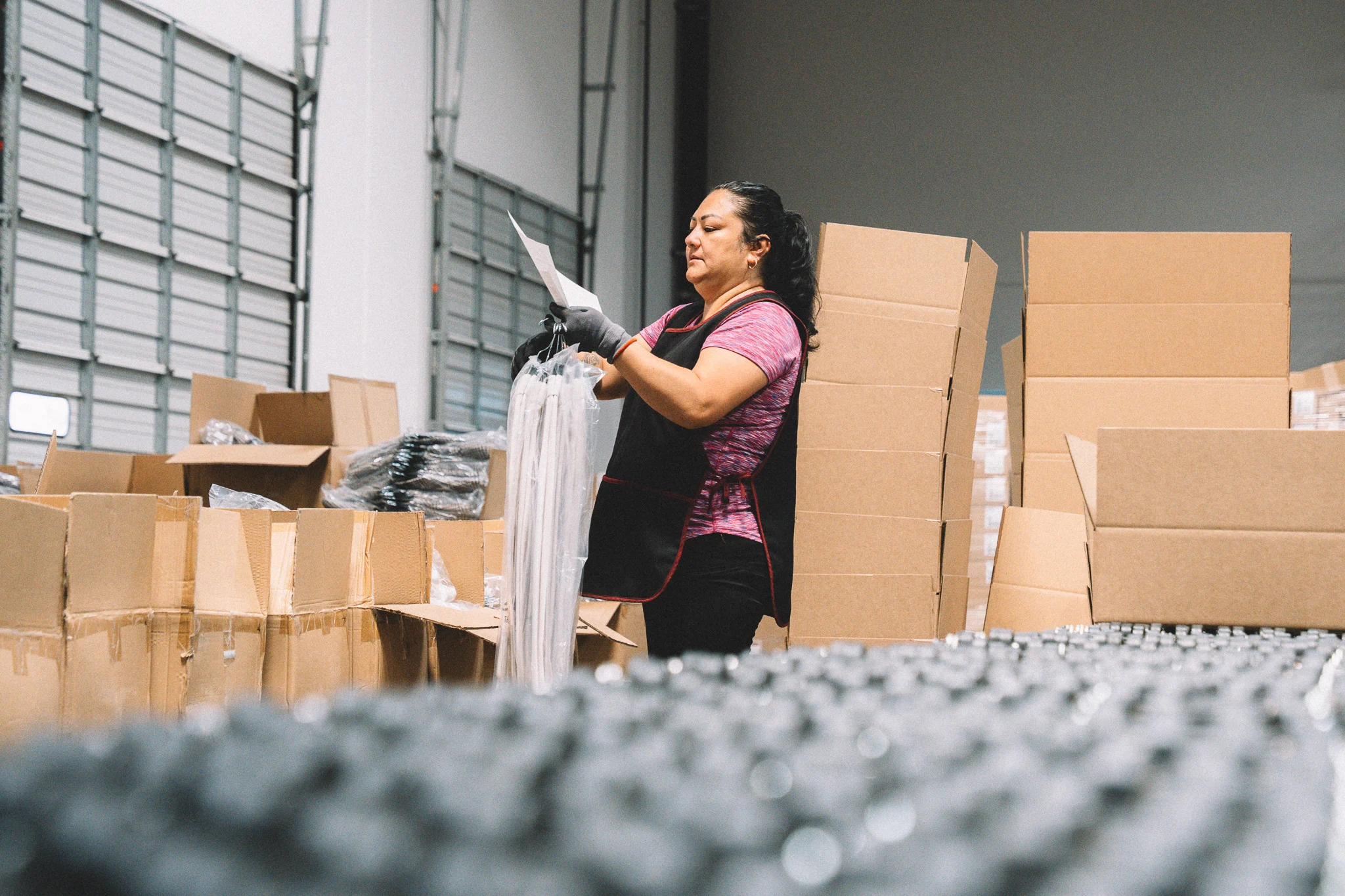
Every day a return sits unprocessed is a day you cannot resell it. Apparel has seasonal cycles and trend cycles. The longer it takes to restock, the more likely you will need to discount to move it. Fast reverse logistics protects margin by restoring sellable inventory quickly. Logos builds returns workflows that prioritize speed without sacrificing accuracy, so brands recover inventory value instead of writing it off.
Inventory accuracy breakdown
Returns can easily break inventory accuracy because they often bypass normal inbound routines. When returned items are not scanned and reconciled immediately, your system may show stock that is missing or missing stock that is available. This leads to overselling, stockouts, and unnecessary reorders that tie up cash. A fulfillment partner with barcode based workflows and clear inbound control can prevent this. Learn how inventory discipline supports growth inside our inventory and fulfillment operations.
Packaging damage and resale friction
Many returns come back with torn poly bags, missing size stickers, or damaged folding. Even if the apparel item is fine, resale becomes harder when presentation is poor. Brands lose time rebagging, relabeling, and reconditioning. Logos supports apparel returns with rebagging and relabeling standards that make items resale ready faster, especially for SKU heavy catalogs where accuracy matters.
Customer experience and chargeback risk
Slow refunds and unclear returns status increase support tickets and can trigger disputes. Returns are a key trust moment. If customers feel ignored, they become less likely to repurchase. A faster and clearer returns operation reduces friction, protects reviews, and reduces chargebacks. A strong fulfillment team improves this with consistent processing timelines and clean tracking updates.

What a strong returns workflow looks like for apparel
A profitable returns operation is not about eliminating returns. It is about controlling what returns cost you. That starts with a structured flow that moves returned units quickly into one of four outcomes: restock, recondition and restock, hold for review, or dispose. The faster you decide, the faster you recover cash.
- Standardized grading: Define condition rules so different staff members do not make different decisions for the same return.
- Barcode scanning on arrival: Scan returns into a returns queue so inventory status updates stay aligned with physical handling.
- Fast rebagging and relabeling: Recondition returns immediately when items are sellable and only need presentation fixes.
- Inventory updates tied to physical actions: Avoid delayed spreadsheets and make updates as items move through each step.
- Clear exception handling: Have a consistent process for missing items, wrong items, or suspected fraud, so the team does not improvise every time.
Logos supports apparel brands by designing returns SOPs that match the catalog, the packaging standards, and the sales channels. When needed, our team helps brands align returns handling with multi channel fulfillment so Shopify, Amazon FBM, and wholesale inventory stays accurate in one shared pool. See how this connects inside our multi channel fulfillment capabilities.
How better fulfillment reduces returns costs over time
Returns are often treated like a post purchase issue, but fulfillment decisions made before shipping influence what returns cost later. Picking accuracy, packing standards, variant level scanning, and quality checks all reduce avoidable returns and reduce the operational burden when returns happen anyway.
Fewer avoidable returns through accuracy
Mispicks and wrong variants are costly because they create double shipping, frustrated customers, and extra labor. Barcode driven picking and variant level checks prevent these errors. Logos uses scanning and standardized pick paths that reduce mispicks for size and color heavy apparel catalogs.
Packaging that prevents damage and improves resale
Packaging choices can reduce returns by preventing damage in transit. They also reduce cost after the return by making reconditioning easier. Logos helps brands set packaging standards that protect products and keep presentation consistent across orders. Learn how packaging and kitting fit into our kitting and fulfillment support.
Faster processing that restores cash flow
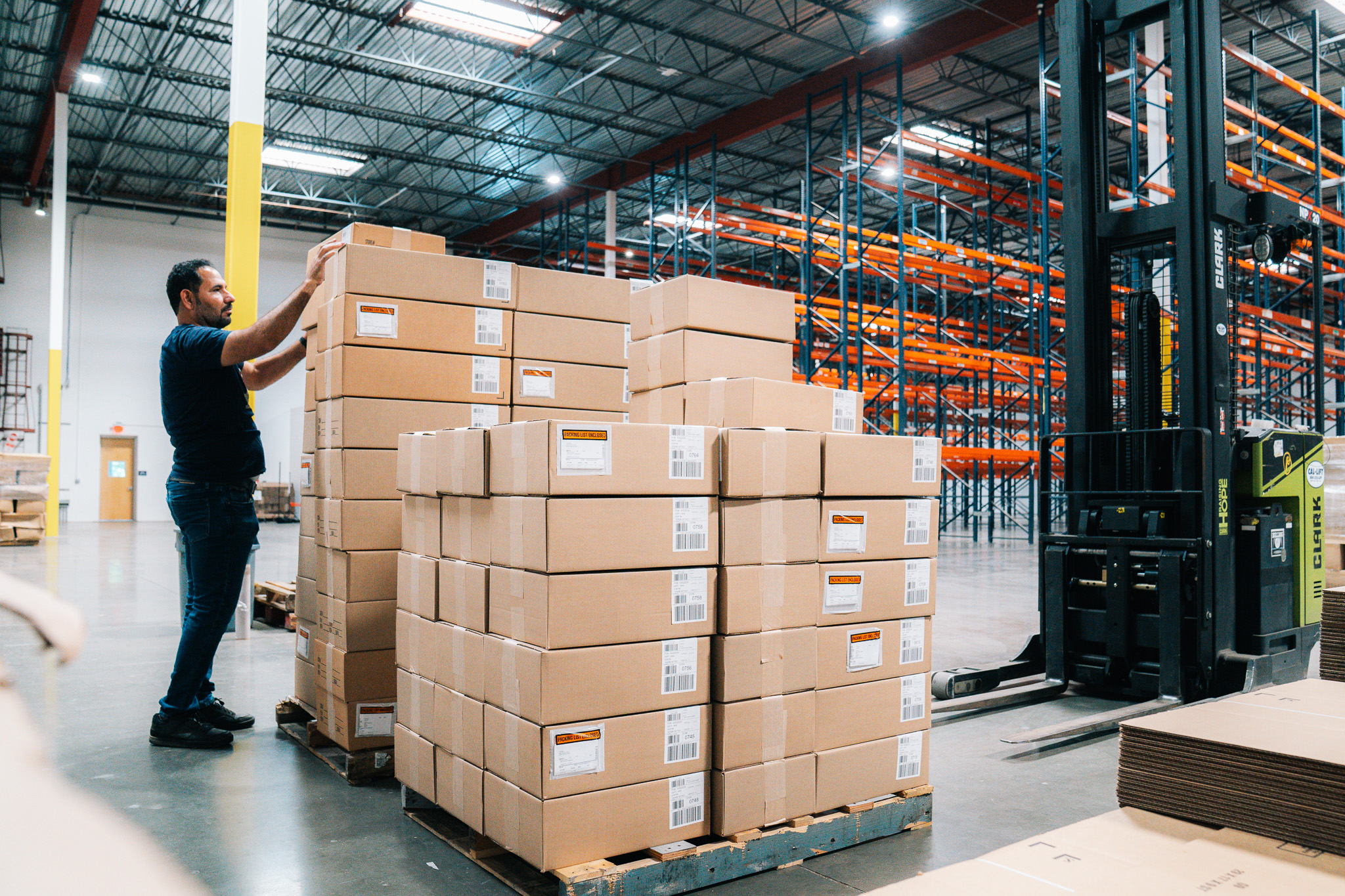
The goal is short turnaround from return arrival to final outcome. Faster grading and restocking restores available units, improves inventory accuracy, and helps teams reorder less often. Logos builds reverse logistics workflows with clear timelines, so your team spends less time chasing returns and more time growing.
A simple returns cost checklist you can use right now
If you want to quickly identify where returns are costing you the most, start with these questions. The more yes answers you have, the more returns are likely holding back profit and growth.
- Returns sit for more than 3 business days before inspection begins.
- Inventory counts regularly differ from what your store or marketplace shows.
- Returned items are often sellable but still end up in a damaged bin.
- Your customer support team spends significant time on refund and return status issues.
- You frequently reorder items that later show up in returns.
- You lack consistent rules for grading, rebagging, and restocking.
If you want help turning this into a real operational plan, Logos can map your return flow, build SOPs, and align inventory updates with physical handling so your returns stop draining margin. You can connect with our team through our consultation request or explore our apparel fulfillment services.
FAQs: Apparel Returns, Fulfillment, and Profit Loss
Why do apparel brands have such high return rates?
Apparel has higher return rates due to sizing differences, fit expectations, color variation, and customers ordering multiple sizes. High returns are normal in fashion, but poor fulfillment systems turn normal returns into major profit loss.
How much money do apparel brands lose on returns?
Many apparel brands lose 5 to 15 percent of total revenue to return related costs. Losses come from labor, delayed restocking, damaged packaging, inaccurate inventory, and markdowns when items miss resale windows.
What happens when returned apparel is not restocked quickly?
Slow restocking locks up cash and reduces resale value. Items processed weeks later often require discounting or liquidation. Faster inspection and reintegration into inventory protects margin and improves cash flow.
Can fulfillment really reduce return costs?
Yes. Fulfillment design plays a major role in return cost control. Clear inspection workflows, fast grading, consistent rebagging, and real time inventory updates dramatically reduce write offs and unnecessary reorders.
Why do returns cause inventory accuracy problems?
Returns often bypass standard inbound workflows. When items are not scanned, inspected, and updated immediately, inventory systems fall out of sync. This leads to overselling, stockouts, and unreliable reporting.
Should apparel returns be handled in the same warehouse as outbound orders?
In most cases, yes. Centralized fulfillment allows faster inspection, quicker restocking, and better visibility. Separate return locations often delay processing and increase handling costs.
How does poor fulfillment increase customer service costs?
Delayed refunds, missing items, and slow return processing drive customer support tickets and chargebacks. Strong fulfillment reduces these issues by resolving returns quickly and accurately.
What fulfillment features matter most for handling apparel returns?
Key features include dedicated returns workflows, trained inspection staff, SKU level tracking, reconditioning processes, and inventory updates tied directly to physical handling.
How do returns affect cash flow for apparel brands?
Returns delay revenue recovery. Until an item is inspected and restocked, it cannot be resold. Efficient fulfillment shortens this cycle and helps brands reinvest faster into inventory and marketing.
Can a 3PL help reduce return related write offs?
A strong 3PL reduces write offs by inspecting items quickly, repairing or rebagging when possible, and restocking sellable inventory instead of defaulting to liquidation. Logos helps brands keep more units sellable by using consistent grading and fast reconditioning workflows.
How does Logos Logistics handle apparel returns differently?
Returns are treated as part of core operations, not an exception. Logos inspects quickly, grades consistently, reconditions when possible, and restocks with immediate inventory updates so brands protect margin and reduce unnecessary reorders.
Is it better to outsource returns or handle them in house?
For most growing apparel brands, outsourcing returns to a fulfillment partner improves speed, accuracy, and scalability. In house teams often struggle to process returns fast enough during high volume periods. Logos provides the structure and labor planning needed to keep returns moving.
How can apparel brands prepare for higher return volume in 2026?
Brands should focus on faster inspection workflows, better inventory visibility, centralized fulfillment, and partners that can scale returns processing during peak seasons without delays. Logos supports this with structured reverse logistics, barcode based handling, and clear SOPs tailored to apparel catalogs.
Conclusion: returns do not have to be a profit leak
Returns are normal in apparel, but uncontrolled returns costs are not. When returns are slow, inconsistent, or disconnected from inventory systems, they become a hidden tax on growth. The fix is not a single tool. The fix is a consistent process supported by accurate fulfillment, clear SOPs, and fast reverse logistics.
Logos Logistics & Distribution helps apparel brands reduce return loss by improving accuracy, shortening processing timelines, and keeping inventory visibility clean across channels. If you want to tighten your reverse logistics workflow and protect profit, explore our fulfillment services and connect with our team through the schedule call form.