
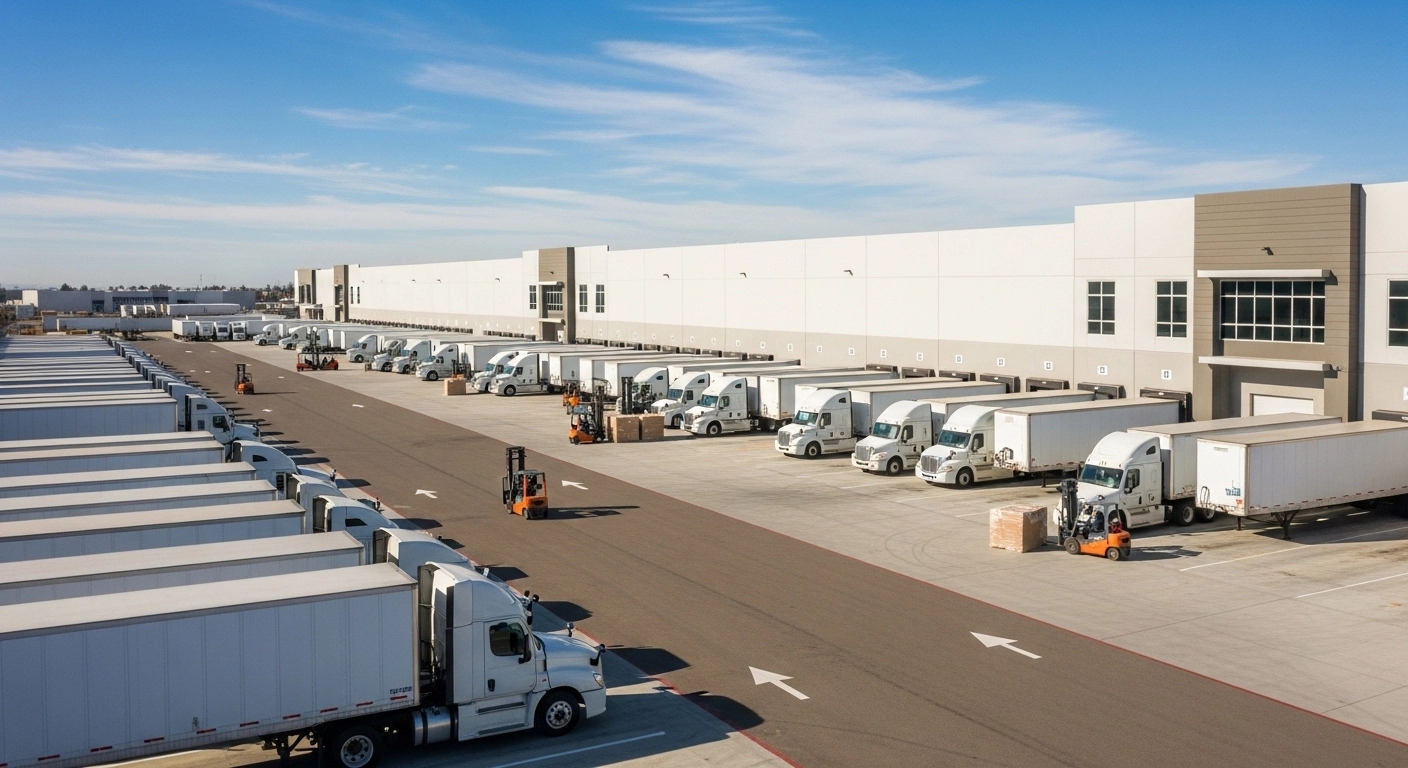
Yard logistics improves supply chain efficiency by optimizing the movement, storage, and management of goods within a facility. Properly organized yards reduce congestion, minimize delays, and ensure that trucks and shipments move smoothly.
Efficient yard operations in Ontario, CA, also help lower operational costs and increase overall productivity. By streamlining processes such as loading, unloading, and staging, local businesses can better meet customer demands and maintain a reliable supply chain.
Understanding Yard Management in the Supply Chain
Yard management coordinates all activities in a logistics yard, including truck arrivals, departures, storage, and dock scheduling. Though often overlooked, it’s crucial for smooth warehouse-to-transport operations. Effective yard management improves visibility, reduces delays, optimizes asset use, and ensures safety compliance, making the yard a key driver of overall supply chain efficiency.
What Is Yard Management?
Yard management is the process of coordinating activities in a facility’s yard in the area outside a warehouse or distribution centre where trucks, trailers, and containers arrive and depart. It includes managing gate check-ins, directing trucks to docks, tracking trailers, and scheduling appointments to keep goods moving efficiently between transportation and warehouse operations.
Key Objectives of Yard Logistics
The main objectives of yard logistics are to reduce vehicle waiting times, optimize yard space and dock usage, maintain asset visibility, and ensure the smooth flow of goods. It focuses on minimizing wasted time, space, and resources to keep operations efficient.
The Role of Yard Operations in Overall Supply Chain Performance
The yard acts as a buffer between the transport network and the warehouse. When it’s managed well, goods flow smoothly from incoming trucks through the dock and finished orders move efficiently from the warehouse through the dock and onto outbound vehicles.
When it’s managed poorly, the whole system backs up. Trucks queue at the gate. Docks are blocked. Warehouse staff are waiting for goods that haven’t been unloaded yet.
Benefits of Effective Yard Logistics
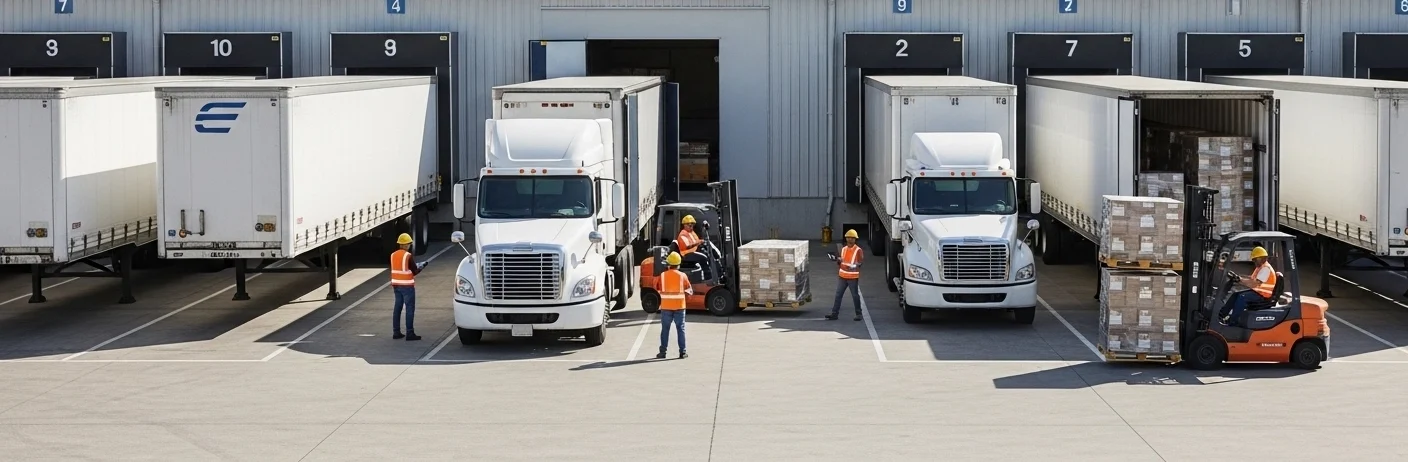
Effective yard logistics helps streamline operations and improve overall supply chain performance. It also lowers operational costs, speeds up loading and unloading processes, and ensures smoother coordination between transportation and warehouse teams.
Reduced Operating Costs and Resource Utilisation
Better yard management means trucks spend less time waiting and more time moving. That directly reduces demurrage charges and fees incurred when vehicles are held beyond their agreed time window. Labour costs also fall when the yard is well managed. Warehouse staff aren’t standing around waiting for deliveries.
Improved Efficiency and Turnaround Times
Faster turnaround times mean more throughput with the same infrastructure. When vehicles get to the right dock quickly and docks are scheduled efficiently. This matters particularly during peak periods the weeks before Christmas, seasonal promotions, or unexpected demand spikes when facilities are under maximum pressure and every hour of dock time counts.
Enhanced Asset and Inventory Visibility
Knowing exactly where every trailer, container, and piece of equipment is in the yard at any given moment is more valuable than most operations realise. Without that visibility, assets get lost or forgotten. Assets are tracked in real time, inventory records stay accurate, and nothing sits unattended longer than it should.
Safety and Compliance Improvements
A well-managed yard improves safety by organizing vehicle movements and reducing the risk of accidents between trucks, forklifts, and workers. Clear gate check-in and check-out processes also ensure that only authorized vehicles enter the facility, supporting security and compliance.
Sustainability and Environmental Impact
Reducing truck dwell times and unnecessary vehicle movements lowers fuel consumption and emissions in yard operations. Improving yard efficiency helps businesses reduce environmental impact and support their ESG goals.
Key Components of Yard Management
Key components of yard management include gate operations, dock scheduling, yard space organization, and real-time tracking of trailers and containers. These elements ensure smooth operations, reduce delays, and improve visibility across the supply chain.
Yard Layout and Strategic Planning
The physical design of the yard has a huge impact on how efficiently it operates. A yard that is laid out thoughtfully with clear traffic flows and adequate space for manoeuvring makes every other aspect of yard management easier. Poor yard layout forces unnecessary vehicle movements, creates bottlenecks, and increases the risk of accidents.
Gate Operations: Check-in and Check-out Processes
The gate is the entry and exit point for every vehicle. If the gate process is slow or manual, queues form quickly especially during peak arrival windows. Streamlining gate operations through pre-registration, automated check-in, and digital driver communication reduces queue times.
Dock Scheduling and Appointment Management
Managing dock appointments and setting specific time windows for arrivals and departures rather than allowing vehicles to arrive at any time is one of the most effective tools for improving yard efficiency. It spreads vehicle arrivals more evenly across the day, reducing peak-time congestion.
Inventory and Asset Tracking
Tracking trailers, containers, and yard equipment in real time prevents assets from being lost or forgotten, keeps inventory records accurate, and allows the yard team to locate and move assets quickly. This is particularly important in large yards where hundreds of trailers may be present at any given time.
Communication and Collaboration Across Teams
Yard management doesn’t happen in isolation. The yard team needs to communicate constantly with warehouse managers, transport planners, drivers, and gate staff. When communication breaks down, decisions are made on outdated information and problems multiply. Clear communication channels and shared visibility of yard status are essential.
Technology in Yard Logistics
Technology plays a crucial role in modern yard logistics by automating processes, improving visibility, and enhancing coordination. Yard Management Systems (YMS), real-time tracking, and integration with warehouse and transportation systems help streamline operations and boost supply chain efficiency.
Yard Management Systems (YMS)
A Yard Management System (YMS) is software that tracks vehicles and assets, manages dock appointments, and provides real-time yard visibility. Switching from manual processes to a YMS improves turnaround times, dock utilization, and overall efficiency.
Integration with WMS and TMS
A YMS working in isolation delivers real improvements. A YMS integrated with a Warehouse Management System (WMS) and Transportation Management System (TMS) delivers far more. When these systems share data in real time, the warehouse knows exactly when inbound deliveries will reach the dock and can plan labour accordingly.
Real-Time Data and Decision Intelligence
Real-time data transforms yard management from reactive to proactive. Instead of responding to problems as they occur, managers can see them coming and act before they cause disruption. If an unusually high number of trucks are expected in a short window, resources can be pre-positioned. If a dock is running behind schedule, inbound vehicles can be redirected before they queue.
AI, RFID, and Automation in Yard Operations
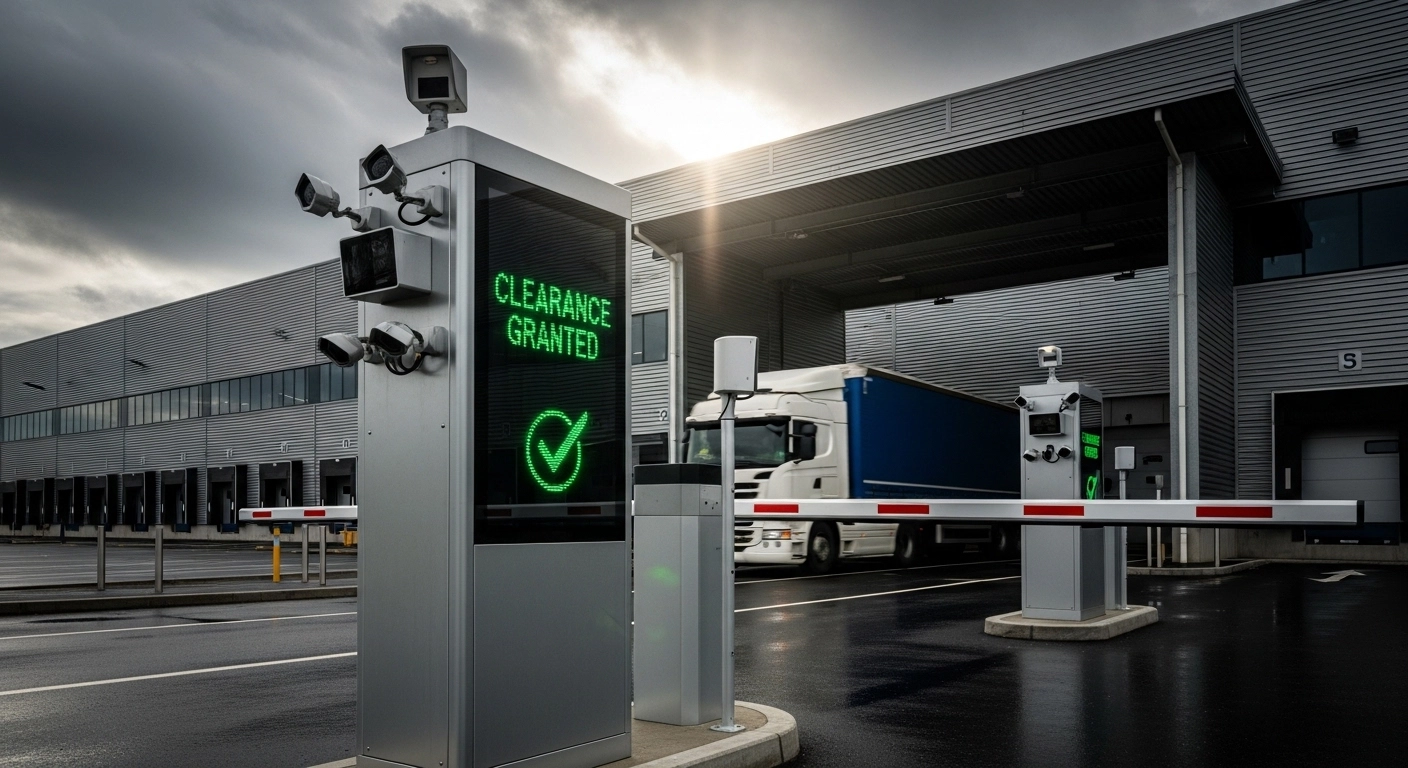
RFID tags on trailers and containers allow automatic identification and tracking as they move through the yard. AI-powered tools analyse patterns in yard data to predict congestion, recommend dock assignments, and optimize vehicle routing through the facility. Automated gate systems use cameras and licence plate recognition to check vehicles in and out without manual processing.
Cloud-Based Platforms and Remote Monitoring
Cloud-based YMS platforms give managers visibility of yard operations from anywhere, not just from an office on-site. This is particularly valuable for businesses managing multiple facilities, enabling central oversight of yard performance across the whole network and faster identification of underperforming sites.
Overcoming Common Yard Management Challenges
Yard operations often face challenges like gate congestion, long dwell times, manual tracking errors, and untrained staff. Implementing a Yard Management System, optimizing yard layout, and providing proper training can help overcome these issues and keep operations running smoothly.
Gate Congestion and Long Dwell Times
Gate queues and long dwell times are the most visible symptoms of poor yard management. They are usually caused by a combination of unscheduled arrivals, slow check-in processes, and inadequate dock scheduling. Appointment systems, automated gate processing, and real-time yard visibility all address these root causes directly.
Manual Asset Tracking Problems
Manual tracking walking the yard with a clipboard, updating spreadsheets by hand is error-prone and doesn’t scale. When yards are busy, manual tracking falls behind and becomes unreliable. RFID tracking and YMS technology replace this with automatic, real-time asset location that stays accurate regardless of yard activity levels.
Staff Training and Skill Gaps
Technology only works if the people using it are trained properly. Implementing a YMS without adequate training typically produces frustration rather than results. Investing in proper onboarding, ongoing training, and clear standard operating procedures ensures which delivers its potential.
Implementing Continuous Improvement Practices
Yard management is not a one-time fix. Processes that work well today may become bottlenecks as volumes grow or operating patterns change. Regular performance reviews, root cause analysis of recurring problems, and a culture of continuous improvement keep yard operations improving over time.
Industry-Specific Applications
Different industries benefit from yard logistics in unique ways retail and eCommerce improve order fulfilment, manufacturing enhances asset flow, and food, beverage, and fashion gain better inventory control and reduced delays.
Retail and eCommerce
Retail and eCommerce operations deal with high volumes of inbound stock and outbound orders with tight delivery windows. Yard efficiency directly affects whether shelves are stocked on time and whether customer orders are dispatched within promised timeframes.
Manufacturing and Distribution
Manufacturing facilities depend on a precise, just-in-time flow of components and materials. Yard delays mean production lines wait. Effective yard management ensures materials arrive at the right dock at the right time, keeping production schedules intact.
Food and Beverage
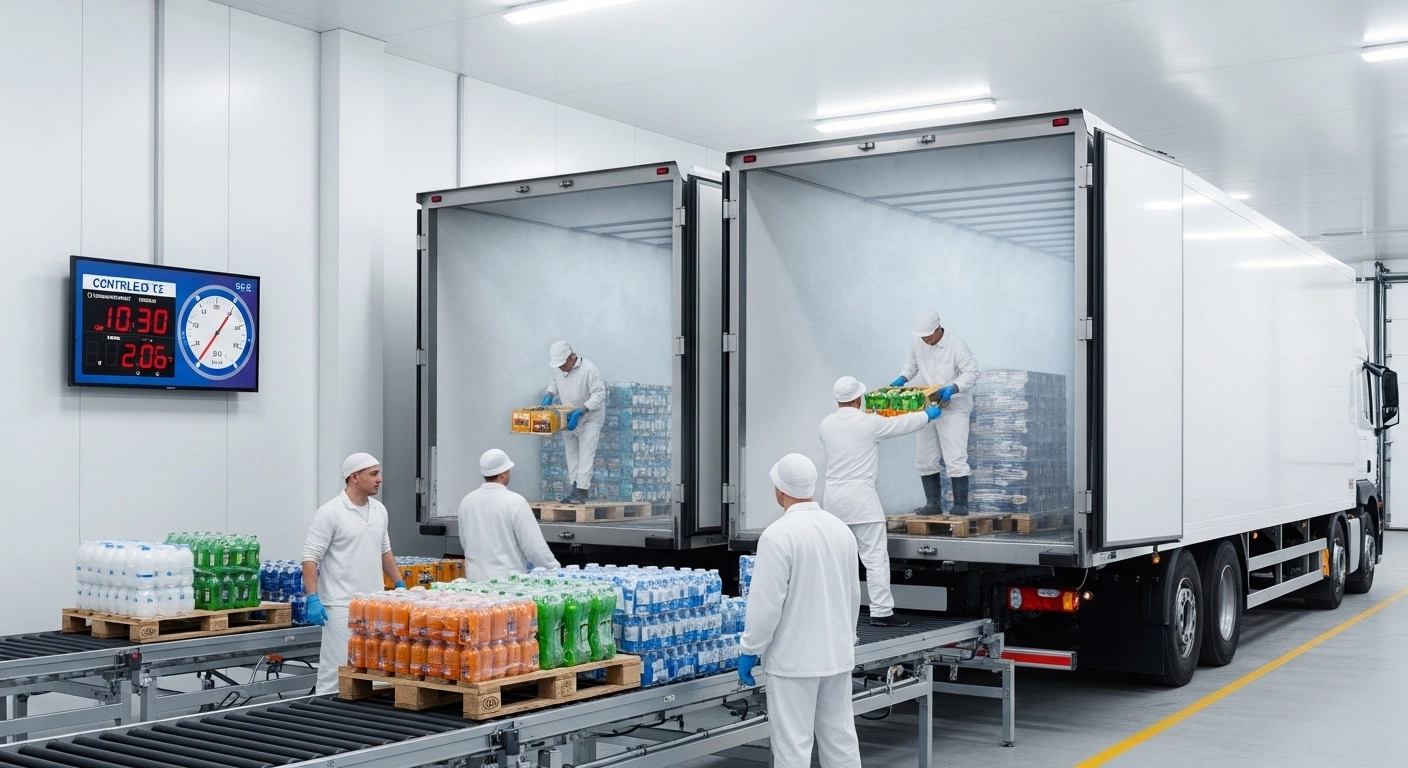
Temperature-sensitive goods can’t sit in a yard for hours. For food and beverage operations, fast and reliable dock scheduling isn’t a convenience, it’s a quality and compliance requirement. Reducing dwell times in the yard directly protects product integrity.
Fashion and FMCG
Fashion and fast-moving consumer goods businesses operate with short product lifecycles and high seasonal peaks. Getting goods moving quickly through the yard during peak periods is critical to making the most of selling windows.
Best Practices for Maximising Yard Logistics Efficiency
To boost yard efficiency, focus on strategic yard layout, effective dock scheduling, real-time asset tracking, and staff training. Regularly review processes and leverage technology like Yard Management Systems to reduce delays and improve overall supply chain performance.
Phased rollout of YMS: Rather than trying to implement everything at once, start with the highest-priority functions and expand from there. This reduces risk and allows staff to build confidence with the system gradually.
Strategic space allocation: Designate specific areas of the yard for specific purposes inbound staging, outbound staging, empty trailer storage, hazardous goods and enforce them consistently. Clear space allocation eliminates confusion and reduces unnecessary vehicle movements.
Enhanced dock scheduling: Move from open-door to appointment-based dock scheduling as quickly as possible. Even a basic appointment system produces immediate improvements in congestion and dock utilisation.
Continuous staff training: Invest in training at implementation and maintain it as processes evolve and new staff join. The yard team’s ability to use available tools effectively determines how much of their potential value is realised.
Leveraging analytics for insights: Use the data your YMS generates to understand where time is being lost, which docks are underperforming, and which carriers consistently miss appointment windows. Data-driven decisions produce better outcomes than gut instinct.
Real-World Examples of Yard Logistics Success
Companies across industries have improved efficiency by implementing Yard Management Systems like faster turnaround times, better dock utilization, and enhanced visibility, demonstrating measurable benefits in supply chain performance.
Case Study 1: Improved Turnaround with YMS
A large UK retailer implemented a Yard Management System at its main distribution centre to address three-hour average truck turnaround times. Within six months, turnaround times dropped to under 90 minutes, dock utilization improved by 22%, and the facility handled more volume without expanding physical infrastructure.
Case Study 2: Integrating Yard and Warehouse Systems
A food and beverage manufacturer integrated its YMS with the WMS, allowing real-time dock data to pre-plan labour. This cut unloading time by 35% and reduced overtime costs through more efficient staffing.
Measurable ROI in Logistics Investments
Businesses consistently report payback periods of 12 to 24 months on YMS investments, driven by reductions in demurrage charges, lower labour costs, improved dock utilisation, and faster turnaround times. For facilities handling high daily volumes, the savings are often substantial enough to justify the investment within the first year.
The Future of Yard Management in Supply Chains
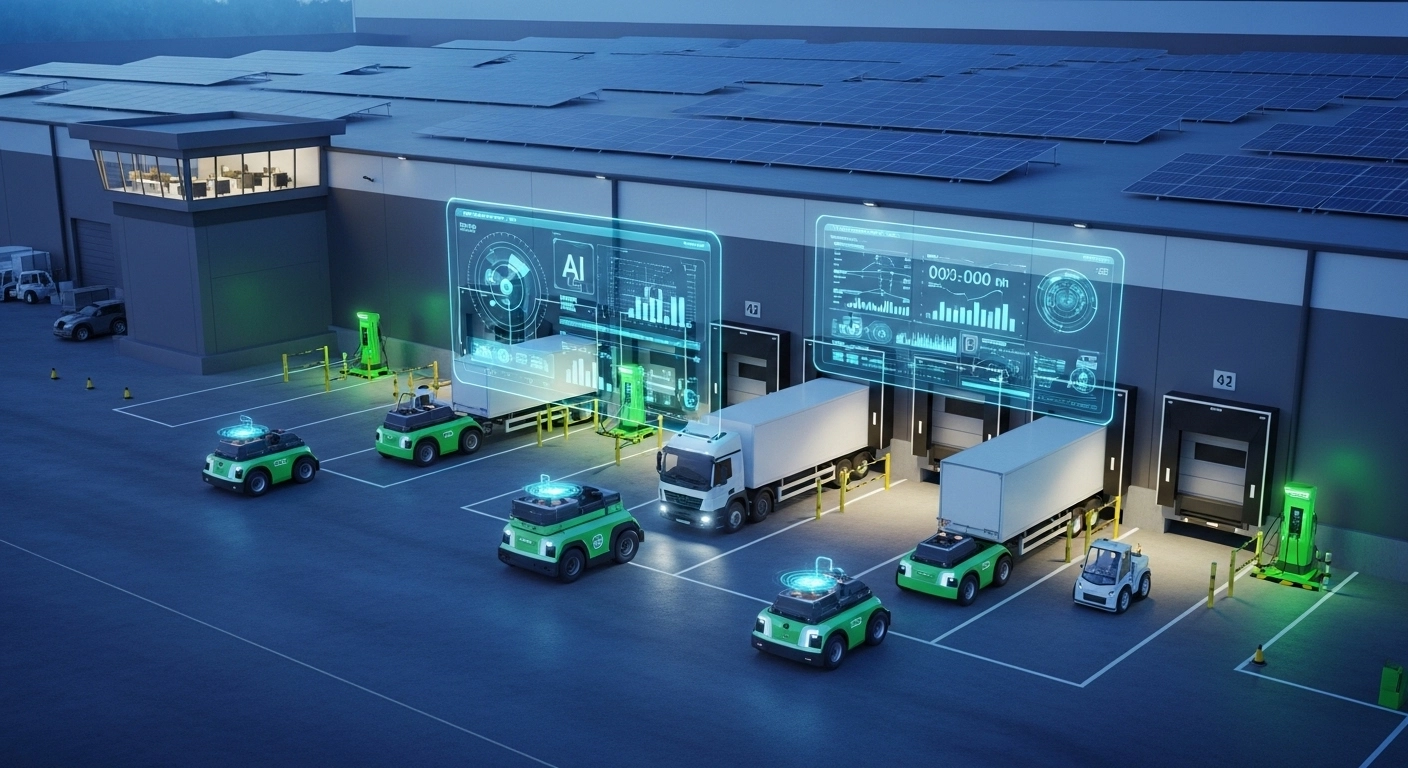
AI-driven yard operations are the next frontier. Predictive systems will anticipate congestion before it occurs, automatically adjust dock assignments in real time, and optimise yard layouts dynamically based on live data. Autonomous yard vehicles, electric, driverless shunters are already in pilot use at some large facilities and will become more common as the technology matures.
Sustainability will become a more central driver of yard management decisions. Reducing idle time, electrifying yard equipment, and optimising vehicle movements to minimise emissions will all be standard considerations in yard design and management.
Boost Your Supply Chain with Expert Yard Logistics in Ontario, CA
Ready to take your supply chain efficiency to the next level? At Logos Distribution in Ontario, CA, we specialize in optimizing yard logistics to streamline operations, reduce delays, and improve overall performance. Whether you need expert yard management solutions, real-time tracking, or integration with your warehouse and transportation systems, our team is here to help. Contact us today to schedule a consultation and start maximizing your operational efficiency.
Conclusion
Effective yard logistics is no longer just a behind-the-scenes operational task; it’s a critical driver of supply chain efficiency. From reducing truck dwell times and optimizing dock usage to enhancing asset visibility and ensuring safety compliance, a well-managed yard keeps goods moving smoothly and supports overall business performance. By leveraging technology like Yard Management Systems, integrating with WMS and TMS, and adopting best practices, companies can achieve measurable cost savings, faster turnaround times, and a more sustainable, future-ready operation. Investing in yard efficiency isn’t just smart, it’s essential for staying competitive in today’s fast-paced market.
Frequently Asked Questions
What is the primary goal of yard management?
The goal is to keep trucks, trailers, and goods moving smoothly, reduce delays, improve asset visibility, and connect warehouse and transportation operations efficiently.
How does yard logistics improve supply chain efficiency?
By minimizing vehicle waiting times, optimizing dock and yard space, enhancing real-time visibility, and streamlining operations, yard logistics reduces bottlenecks and keeps goods moving faster.
What is a Yard Management System (YMS)?
A YMS is software that tracks vehicles and assets, manages dock appointments, and provides real-time yard visibility, replacing manual processes for faster, more efficient operations.
Which industries benefit most from yard management?
Retail, eCommerce, manufacturing, food and beverage, and fashion/FMCG industries benefit significantly due to high volumes, tight schedules, and the need for precise dock.
How long does it take to see ROI from implementing a YMS?
Most businesses report a return on investment within 12–24 months, driven by reduced labour costs, improved dock utilization, and faster truck turnaround times.