
In today’s highly competitive business environment, companies are constantly looking for ways to improve efficiency while keeping operational costs under control. One of the most effective strategies for achieving this balance is leveraging professional storage and distribution services. As businesses grow, managing inventory, warehousing, and product delivery becomes increasingly complex. Without a streamlined logistics system, companies may face rising costs for storage, labor, transportation, and inventory management.
Storage and distribution services provide a structured solution to these challenges by offering scalable warehousing, organized inventory systems, and optimized delivery networks. Instead of investing heavily in infrastructure, staff, and logistics management, businesses can outsource these functions to specialized providers that already have the expertise and resources. This approach allows companies to focus more on core business operations such as product development, marketing, and customer engagement.
Lower Infrastructure and Warehouse Costs
One of the most significant expenses for businesses handling physical products is maintaining warehouse infrastructure. Purchasing or leasing warehouse space requires large upfront investments and ongoing maintenance costs. Businesses must also invest in equipment such as forklifts, shelving systems, climate control units, and security systems. By using professional storage services, businesses can avoid these large capital expenditures.
Third-party logistics providers already maintain fully equipped warehouses designed for efficient inventory storage. Companies only pay for the space and services they need, making it a flexible and cost-effective solution. This shared infrastructure model allows businesses—especially startups and small- to medium-sized enterprises—to access professional-grade storage facilities without the financial burden of maintaining them in-house.
Reduced Labor and Staffing Expenses
Managing a warehouse requires a trained workforce. Staff must handle receiving goods, organizing inventory, picking and packing orders, and coordinating shipments. Recruiting, training, and managing warehouse employees can significantly increase operational costs.
Storage and distribution service providers already have experienced teams in place to handle these tasks. By outsourcing logistics operations, businesses eliminate the need to hire and manage warehouse personnel.
This reduction in labor expenses includes savings on:
- Salaries and wages
- Employee training programs
- Workplace insurance
- Employee benefits and overtime costs
Instead of dedicating internal resources to logistics operations, companies can reallocate them to growth-oriented activities such as product innovation or customer service.
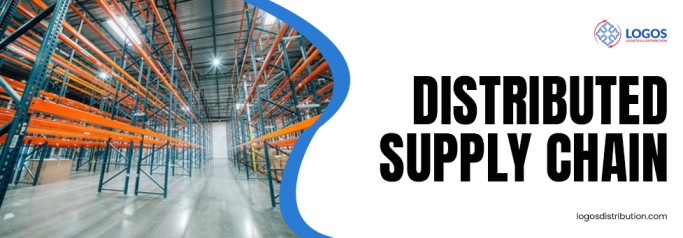
Optimized Inventory Management
Poor inventory management can lead to excessive stock, product shortages, or wasted storage space. These inefficiencies directly impact operational costs and business profitability.
Professional storage providers use advanced inventory management systems that help businesses maintain accurate stock levels and track product movement in real time. These systems reduce the risk of overstocking or stockouts by providing better visibility into supply chain operations.
Key benefits of optimized yard logistics include:
- Accurate stock tracking
- Reduced product loss or damage
- Faster order fulfillment
- Better demand forecasting
With efficient inventory control, businesses can maintain the right balance between supply and demand while minimizing unnecessary storage costs.
Improved Transportation and Distribution Efficiency
Transportation is another major cost factor for businesses involved in product distribution. Inefficient routing, poorly coordinated shipments, and underutilized transportation resources can significantly increase logistics expenses.
Professional distribution services specialize in optimizing delivery networks and transportation routes. They consolidate shipments, use strategic distribution hubs, and leverage logistics technology to ensure efficient product movement.
This leads to several cost-saving benefits:
- Lower fuel consumption
- Reduced delivery delays
- Improved shipment coordination
- Higher transportation efficiency
When distribution operations are streamlined, businesses can deliver products faster while reducing transportation costs.
Scalability Without Financial Risk
Business demand fluctuates throughout the year due to seasonal trends, promotional campaigns, and market growth. Companies that manage their own warehouses often struggle to scale operations quickly during peak periods.
Storage and distribution services provide flexible capacity that allows businesses to scale up or down without long-term financial commitments. For example, during high-demand seasons, companies can increase storage capacity or distribution volume without investing in additional infrastructure.
This scalability helps businesses avoid:
- Unused warehouse space during slow seasons
- Emergency staffing costs during peak demand
- Expensive infrastructure expansion
The ability to adjust logistics operations in response to real-time business needs helps keep operational costs stable and predictable.
Reduced Risk of Product Damage and Loss
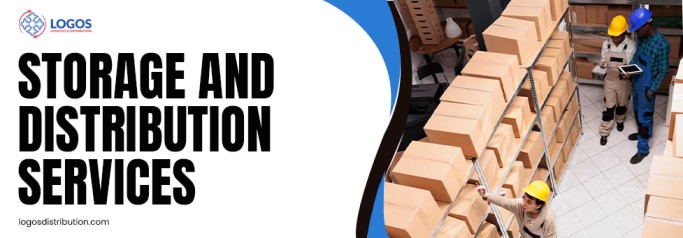
Improper storage conditions and inefficient handling processes can lead to product damage or loss, resulting in financial losses for businesses. Professional logistics providers implement strict handling procedures and maintain well-organized storage environments to protect inventory.
These providers also invest in advanced warehouse systems, such as:
- Climate-controlled storage
- Security monitoring systems
- Organized racking and shelving
- Efficient product handling equipment
With proper storage practices in place, businesses can significantly reduce product waste, replacement costs, and customer dissatisfaction.
Faster Order Fulfillment and Customer Satisfaction
Efficient storage and distribution systems enable businesses to process and ship orders more quickly. Faster fulfillment improves customer satisfaction and strengthens brand reputation. When customers receive their orders on time, they are more likely to become repeat buyers. This increased customer loyalty reduces the cost of acquiring new customers and boosts long-term revenue.
Distribution providers typically implement streamlined picking, packing, and shipping processes to ensure orders move quickly from the warehouse to the customer. This operational efficiency translates into both cost savings and improved customer experience.
Access to Advanced Logistics Technology
Modern logistics relies heavily on technology for efficiency. However, implementing advanced warehouse management systems, tracking tools, and distribution analytics can be expensive for individual businesses.
Third-party distributed supply chain providers invest heavily in these technologies and offer them as part of their services. Businesses can benefit from features such as:
- Warehouse Management Systems (WMS)
- Real-time shipment tracking
- Automated inventory monitoring
- Data-driven logistics analytics
Access to these technologies allows businesses to optimize supply chain operations without investing heavily in expensive software systems.
Better Focus on Core Business Activities
Managing logistics internally can distract businesses from their primary objectives. When companies dedicate excessive time and resources to warehouse management and product distribution, other critical areas may suffer.
By outsourcing storage and distribution, businesses can focus on activities that directly drive growth, such as:
- Product development
- Marketing strategies
- Customer engagement
- Market expansion
Delegating logistics responsibilities to experts ensures smoother operations while allowing internal teams to concentrate on strategic priorities.
Final Words
Efficient logistics management plays a crucial role in controlling operational costs and improving business performance. Storage and distribution services provide businesses with a streamlined solution for managing inventory, warehousing, and product delivery without the financial burden of maintaining infrastructure and staffing logistics teams internally.
Companies seeking to simplify logistics operations and improve cost efficiency can benefit significantly from partnering with experienced providers that offer comprehensive storage and distribution solutions. Services such as those offered at Logos Logistics Distribution provide businesses with the infrastructure, technology, and expertise needed to manage logistics effectively while focusing on growth and long-term success.